So you're thinking about getting a gecko? That's fantastic. These little creatures make wonderful pets for both beginners and experienced reptile enthusiasts alike. But before you rush out to bring one home, there's a crucial truth you need to understand: their well-being is entirely in your hands. A proper setup isn't just a recommendation; it's the absolute foundation for a long, healthy, and happy life for your new scaled friend. This guide will walk you through everything you need to know to create a perfect home for a gecko, focusing primarily on the ever-popular Leopard Gecko, though many principles apply to other common species.
The journey begins long before the gecko itself. Your first and most important decision is the enclosure, their entire world. For a single adult Leopard Gecko, a 20-gallon long tank is widely considered the minimum acceptable size, but providing more space, like a 30 or 40-gallon breeder tank, is always encouraged. The key dimension is floor space, as these are terrestrial creatures that love to explore horizontally. A front-opening terrarium is a game-changer for both you and your pet. It allows for easy access for cleaning and feeding without having to reach down from above, which can be perceived as a threat by the gecko, much like a bird of prey swooping in. A secure, well-ventilated screen top is non-negotiable to prevent any daring escapes.
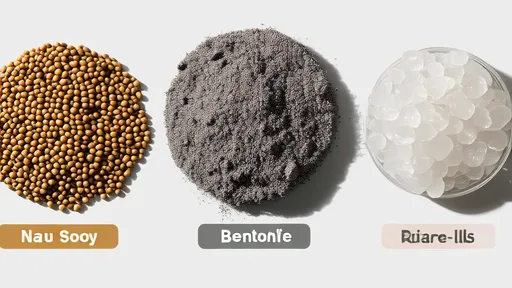
What you put on the bottom of the tank is your next critical choice. The substrate debate is a big one in the reptile community. For beginners, the safest and most recommended option is to start simple with paper towel, reptile carpet, or slate tiles. These are inexpensive, easy to clean, and, most importantly, eliminate any risk of Impaction—a serious and potentially fatal condition where the gecko ingests loose substrate, which blocks its digestive tract. While bioactive setups with natural soils are beautiful and can be beneficial, they require a more advanced understanding of ecosystem maintenance. Loose substrates like sand, calcium sand, or walnut shells should be strictly avoided, especially for juveniles, due to the high impaction risk.
Geckos are ectothermic, meaning they rely on their environment to regulate their body temperature. Getting the heating right is perhaps the single most vital aspect of their care. You must create a thermal gradient, meaning one side of the tank is warm, and the other is cool, allowing the gecko to self-regulate by moving between the two. The warm side should have a basking spot that reaches around 88-92°F (31-33°C). This is best achieved using an under-tank heater (UTH) placed on one side of the tank's exterior bottom and, crucially, connected to a thermostat. A thermostat is not optional; it is essential to prevent the heater from overheating and severely burning your pet. The cool side of the tank should sit at a comfortable room temperature, around 70-75°F (21-24°C). A digital thermometer with probes, or better yet, two—one for the warm side and one for the cool side—is necessary for accurate monitoring. Unlike some reptiles, Leopard Geckos do not require special UVB lighting if they are provided with a proper diet that includes vitamin and calcium supplementation. However, a low-output UVB light can be beneficial for their overall health and is increasingly recommended by experts. A simple low-wattage bulb or LED light on a timer can provide a day/night cycle, which is good for their circadian rhythm.
While they may not need intense lighting, they absolutely need places to hide and feel secure. A stressed gecko is an unhealthy gecko. You should provide at least three hides. One must be placed on the warm side over the UTH (this becomes the warm hide for digestion), one on the cool side (the cool hide for resting), and one in the middle of the tank that you keep humid. This humid hide, which can be a simple plastic container filled with moist sphagnum moss or paper towels, is critical for facilitating proper sheds. Without adequate humidity, skin can stick to their toes and tail tip, leading to loss of circulation and potential necrosis. Beyond the essentials, clutter is your friend! Adding fake plants, cork bark rounds, and rocks creates a more enriching environment, making your gecko feel safe and giving it opportunities to climb and explore.
Now, let's talk about sustenance. Leopard Geckos are insectivores, meaning their diet consists solely of insects. The staples are gut-loaded crickets, dubia roaches, and mealworms. "Gut-loading" means feeding the insects a nutritious diet 24-48 hours before offering them to your gecko, thereby passing those nutrients along. Variety is key to a balanced diet, so rotating between different feeders is a great practice. Every insect offered should be lightly dusted with a calcium supplement (without D3 for most feedings) and a multivitamin supplement with D3 (used once or twice a week). D3 is necessary for calcium absorption. A small, shallow dish of calcium powder without D3 should also be left in the enclosure at all times so the gecko can self-regulate its intake. Fresh, clean water must be available in a shallow dish every single day.
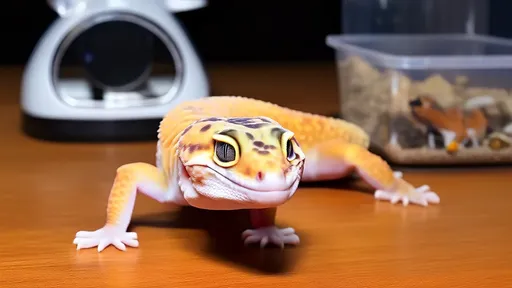
Finally, with your habitat fully set up and stabilized, you are ready to choose your gecko. Always seek out a reputable breeder or consider adopting from a reptile rescue. A healthy gecko should be alert, have clear, bright eyes, a plump tail (their fat storage organ), and no visible signs of stuck shed or bone deformities. Avoid animals that appear lethargic or overly skinny. Once you bring your new pet home, place it gently into its prepared enclosure and then leave it completely alone for at least a week. This quarantine period is essential to allow it to de-stress and acclimate to its new surroundings without the added pressure of being handled. After this period, you can begin offering food and, eventually, start with short, gentle handling sessions.
Welcoming a gecko into your life is a rewarding experience that comes with significant responsibility. By investing the time and resources into a proper setup from the very beginning—prioritizing a secure enclosure, correct heating, appropriate hides, and a nutritious diet—you are not just building a tank; you are building a foundation for a trusting relationship and ensuring your fascinating pet thrives for many years to come. The initial effort is a small price to pay for the joy of a healthy and content gecko.

By /Sep 10, 2025

By /Sep 10, 2025

By /Sep 10, 2025

By /Sep 10, 2025

By /Sep 10, 2025

By /Sep 10, 2025

By /Sep 10, 2025

By /Sep 10, 2025

By /Sep 10, 2025

By /Sep 10, 2025

By /Sep 10, 2025

By /Sep 10, 2025
By /Sep 10, 2025

By /Sep 10, 2025
By /Sep 10, 2025
By /Sep 10, 2025
By /Sep 10, 2025
By /Sep 10, 2025
By /Sep 10, 2025

By /Sep 10, 2025
