In an increasingly disconnected world, therapy dogs emerge as silent healers, offering a unique form of comfort that transcends language and medication. These specially trained canines serve as bridges to emotional connection, particularly for two vulnerable populations: children with autism and elderly individuals facing isolation or cognitive decline. The gentle presence of a therapy dog can unlock doors to communication, soothe anxious hearts, and bring moments of pure joy where words often fail.
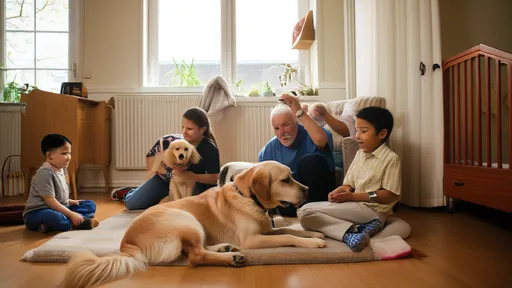
The magic begins with their non-judgmental nature. For an autistic child struggling with social interactions or sensory overload, the soft fur and steady breathing of a therapy dog provide a safe anchor. Unlike humans, dogs don’t demand eye contact or verbal responses. They accept affection on the child’s terms, often leading to breakthroughs in emotional expression. Parents and therapists report children who rarely speak forming their first sentences to praise the dog, or those sensitive to touch eagerly stroking the animal’s back. This canine-assisted interaction builds confidence, reduces stress hormones, and teaches empathy in the most organic way possible.
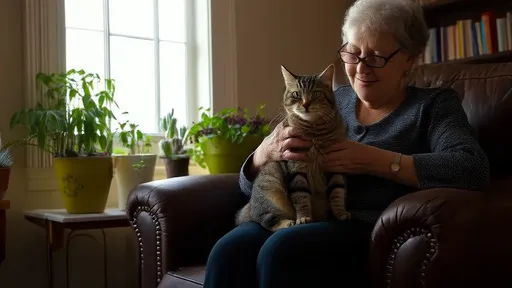
Similarly, for older adults—especially those in care facilities or dealing with dementia—therapy dogs combat loneliness and spark memories. The simple act of petting a dog can lower blood pressure, evoke smiles from those who seldom engage, and even stimulate recollections of pets from their youth. In memory care units, these visits often become the highlight of the week, with residents who may not recognize their own family members still reaching out to cradle a dog’s head in their hands. The animals offer tactile comfort and unconditional acceptance, countering the emotional void that so often accompanies aging.
Training is what separates therapy dogs from ordinary pets. These animals undergo rigorous certification to ensure they remain calm in unpredictable environments—whether a child has a sudden outburst or a medical alarm sounds in a nursing home. Handlers, too, are trained to facilitate positive interactions while prioritizing both the humans’ and the dog’s well-being. It’s a partnership built on patience and purpose, one that allows the dog’s innate warmth to become a therapeutic tool.
Science supports what anecdotes have long suggested. Studies indicate that interaction with therapy dogs can increase oxytocin (the bonding hormone) levels in both humans and dogs, while decreasing cortisol (the stress hormone). For autistic children, this can mean improved social motivation and reduced anxiety. For seniors, it can translate into better mood, decreased agitation, and even reduced need for pain medication. The benefits are both measurable and profound.
Yet beyond data lies the intangible magic—the light in a child’s eyes when their furry friend arrives, the peaceful sigh of an elderly person as they stroke a trusting head. Therapy dogs don’t perform miracles in the traditional sense, but they do something perhaps more important: they remind us of our capacity to connect, to feel, and to heal through simple, shared presence. In a world that often moves too fast, they bring us back to the warmth of the moment.
By /Sep 10, 2025
By /Sep 10, 2025

By /Sep 10, 2025

By /Sep 10, 2025

By /Sep 10, 2025

By /Sep 10, 2025

By /Sep 10, 2025

By /Sep 10, 2025

By /Sep 10, 2025
By /Sep 10, 2025
By /Sep 10, 2025

By /Sep 10, 2025

By /Sep 10, 2025

By /Sep 10, 2025

By /Sep 10, 2025

By /Sep 10, 2025

By /Sep 10, 2025

By /Sep 10, 2025

By /Sep 10, 2025

By /Sep 10, 2025
