Why Losing a Pet Can Be So Painful: Emotional Bonds Beyond Species

Sep 10, 2025 By

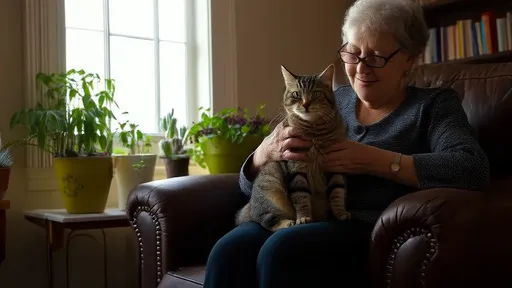
Anyone who has ever loved and lost a pet understands the profound, gut-wrenching ache that follows. It’s a specific type of sorrow, one that can feel surprisingly isolating in a world that doesn’t always recognize these bonds as significant. We are often told they are "just animals," a phrase that rings hollow against the very real void their absence leaves behind. The pain is real, it is valid, and it is a direct testament to the incredible, complex emotional connection that exists between humans and the animals they welcome into their families.


This connection transcends the simple dynamics of owner and pet. It is a relationship built on a foundation of unconditional positive regard, a term psychologists use to describe a non-judgmental, all-accepting form of love. Our pets offer this in its purest form. They do not care about our career missteps, our bad hair days, or our social faux pas. They greet us with the same unbridled enthusiasm whether we’ve been gone for five minutes or five hours. This consistent, reliable source of affection and acceptance becomes a cornerstone of our emotional lives. Their presence is a quiet constant in the chaos of our human world, a soft, purring presence on the couch or a happy wag at the door that signals, unequivocally, "You are home, and you are loved."


The science behind this bond reveals it to be far more than a sentimental notion. When we interact with our pets—petting a dog, playing with a cat—our bodies undergo a biochemical shift. Oxytocin, often dubbed the "love hormone" or "bonding hormone," floods our systems. This is the very same hormone that facilitates bonding between human parents and their infants. It lowers cortisol levels (a stress hormone), reduces blood pressure, and promotes feelings of contentment, trust, and psychological stability. In essence, our bodies are literally wired to form deep, affectionate attachments to these non-human companions. The relationship is not just in our hearts and minds; it is etched into our very biology.


This biological imperative helps explain why the loss of a pet can trigger a grief response nearly identical to losing a human family member. The same neural pathways that light up with love and attachment are the ones that scream with the pain of separation. The routines that once provided comfort and biochemical rewards—the morning walk, the evening cuddle—suddenly become painful reminders of the absence. The house feels quieter, emptier, because a vital, living piece of its daily rhythm is gone. This isn't a figment of an overactive imagination; it is the neurological and physiological consequence of a severed deep bond.


Furthermore, pets occupy a unique and multifaceted role in our lives. They are our confidants, our silent therapists who listen to our worries without interruption or judgment. They are our playmates, encouraging laughter and lightheartedness. For many, they are a primary source of routine and purpose, relying on us for their well-being and thus giving our days structure and meaning. They are guardians of our solitude, offering quiet companionship without the need for conversation. Losing a pet, therefore, isn't just losing an animal; it is losing a listener, a playmate, a purpose, and a constant companion all at once. The loss is multifaceted, and so the grief must be as well.


Society, however, often practices what scholars term "disenfranchised grief" when it comes to the loss of a pet. This is a grief that is not openly acknowledged, socially validated, or publicly mourned. There are rarely bereavement days offered at work for the loss of a dog. Sympathy cards, if they come, are fewer. Well-intentioned but misguided comments like, "You can always get another one," minimize the significance of the unique individual who is gone. This lack of societal recognition can compound the pain, making the grieving person feel alone, foolish, or overly sensitive for experiencing a deeply natural and human response to loss.


Yet, the very depth of this pain is the greatest tribute to the relationship. We do not grieve deeply for things that did not matter profoundly. The ache is the shadow side of the immense joy, comfort, and love that was shared. It is the price of admission for a relationship that, while often non-verbal, is among the most honest and emotionally rich we will ever experience. It is a pain that acknowledges that this creature, this individual with their own personality, quirks, and spirit, made our lives immeasurably better simply by being in it.


Navigating this grief requires allowing oneself to feel it fully, without shame. It means honoring the memory of the friend who was always there, whether through creating a photo album, planting a tree in their memory, or simply talking about them and the joy they brought. It means understanding that the bond was real, the love was mutual, and the pain is a natural extension of that love. The connection with a pet is a beautiful, heart-expanding journey that, by its very nature, must end in heartbreak. But it is a heartbreak that speaks to our incredible human capacity to love across species, to find family in the most unexpected forms, and to be forever changed by the silent, steadfast loyalty of a four-legged, feathered, or finned friend.


Recommend Posts
Animal

Scientific Evidence of Pet Ownership: Actual Benefits of Lowering Blood Pressure and Alleviating Depression

By /Sep 10, 2025

For centuries, humans have shared their lives with animals, but only in recent decades has science begun to uncover the profound physiological and psychological benefits of this bond. The idea that pets are good for us is often spoken of anecdotally, but a growing body of rigorous research provides compelling evidence that sharing your home with a furry, feathered, or even scaly companion can be a powerful investment in your long-term health, particularly in managing stress, blood pressure, and mood disorders.
Animal

Animal-Assisted Intervention: How Does Hippotherapy Help Children with Special Needs?

By /Sep 10, 2025

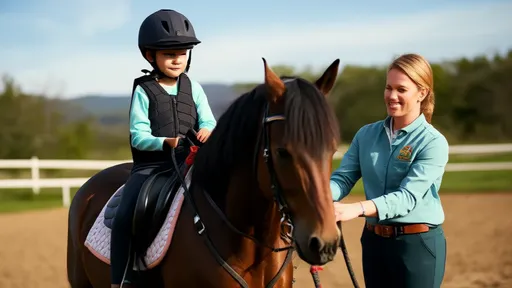
In the quiet moments between a child's tentative touch and a horse's gentle nuzzle, something profound often occurs—a connection that transcends words, diagnoses, and limitations. This is the heart of equine-assisted therapy, a specialized form of animal-assisted intervention that has been steadily gaining recognition for its remarkable impact on children with special needs. Unlike traditional therapeutic settings, the arena becomes a dynamic classroom where hooves, hay, and healing intersect.
Animal

The Rise of Pet Funeral Industry: How to Say a Proper Goodbye to Our Furry Friends?

By /Sep 10, 2025

In the quiet corners of our cities, a new kind of farewell is taking shape. As pets increasingly become cherished members of the family, the way we say goodbye to them is evolving. The rise of the pet funeral industry reflects a profound shift in how society views the bonds between humans and their animal companions. No longer are our departed pets simply disposed of; they are honored, mourned, and remembered with the same dignity we afford our human loved ones.
Animal

Stray Cat TNR Program: Scientific Management through Capture, Sterilization, and Return

By /Sep 10, 2025

In communities worldwide, the presence of free-roaming cats has long posed a challenge for animal welfare advocates, municipal authorities, and residents alike. These cats, often referred to as community or feral cats, live outdoors with varying degrees of human contact, and their populations can grow rapidly due to high reproductive rates. Traditional methods of dealing with these populations, such as trap-and-euthanize or relocation, have proven to be not only ethically contentious but also largely ineffective and costly in the long term. In response to these challenges, a more humane, scientific, and sustainable approach has gained prominence: Trap-Neuter-Return, commonly known as TNR.
Animal

A Dog's Decade: A Lifetime of Companionship, One-Tenth of Human Life

By /Sep 10, 2025

In the quiet moments of our lives, when the world seems to move too fast, there is a constant, loyal presence that grounds us—the family dog. For many, these creatures are more than pets; they are confidants, playmates, and silent witnesses to our joys and sorrows. Yet, their time with us is heartbreakingly brief. A dog’s life, spanning roughly a decade, represents just a fraction of the human experience. This temporal disparity invites reflection on the nature of companionship, the passage of time, and the profound lessons we learn from our four-legged friends.
Animal

Pet Cloning Technology: Extending Love or Ethical Dilemma?

By /Sep 10, 2025

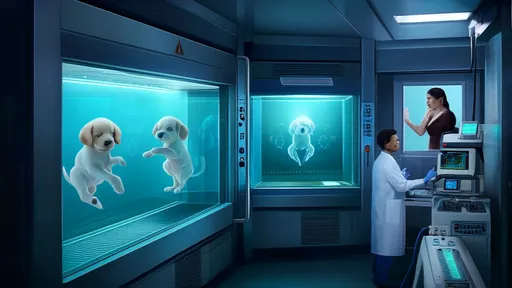
In the quiet suburbs of Seoul, a woman named Mina cradles her golden retriever, Bella, who nuzzles against her with familiar affection. The remarkable part of this scene isn't the bond itself—it's the fact that this is the second Bella. The original passed away three years ago from cancer, leaving a void so profound that Mina turned to a controversial yet rapidly advancing field: pet cloning. What was once the stuff of science fiction has become a tangible, albeit expensive, reality. For a price tag ranging from $50,000 to $100,000, companies like ViaGen Pets and Sooam Biotech offer grieving owners a chance to literally recreate their lost companions.
Animal

Why Losing a Pet Can Be So Painful: Emotional Bonds Beyond Species

By /Sep 10, 2025

Anyone who has ever loved and lost a pet understands the profound, gut-wrenching ache that follows. It’s a specific type of sorrow, one that can feel surprisingly isolating in a world that doesn’t always recognize these bonds as significant. We are often told they are "just animals," a phrase that rings hollow against the very real void their absence leaves behind. The pain is real, it is valid, and it is a direct testament to the incredible, complex emotional connection that exists between humans and the animals they welcome into their families.
Animal

Are Cats Really Independent and Aloof? 8 Subtle Ways They Show Affection

By /Sep 10, 2025

For generations, the stereotype of the aloof, independent cat has persisted in popular culture. Unlike their canine counterparts, cats are often painted as solitary creatures who tolerate humans rather than genuinely bond with them. This perception, however, fails to capture the subtle and sophisticated language of feline affection. Cats do not express love through boisterous tail wags or slobbery kisses; their methods are far more nuanced, a quiet poetry of behavior that requires a keen and understanding eye to interpret. To live with a cat is to learn a new dialect of love, one spoken in blinks, head-butts, and the gentle press of a paw.
Animal

How Pets Perceive Their Owners' Emotions: More Sensitive Than We Think

By /Sep 10, 2025

It’s a quiet evening at home, and you’ve had a long, emotionally draining day. Without a word spoken, your dog rests its head on your lap, or your cat curls up beside you, purring softly. Many pet owners have experienced moments like these—times when their animal companions seem to tune in to their emotional state with an almost uncanny accuracy. For years, such behaviors were often dismissed as anthropomorphism or wishful thinking. But a growing body of scientific research suggests that our pets, particularly dogs and cats, are far more attuned to our emotions than we might have imagined.
Animal

Therapeutic Dogs: How to Heal Autism Children and the Elderly with Warmth?

By /Sep 10, 2025

In an increasingly disconnected world, therapy dogs emerge as silent healers, offering a unique form of comfort that transcends language and medication. These specially trained canines serve as bridges to emotional connection, particularly for two vulnerable populations: children with autism and elderly individuals facing isolation or cognitive decline. The gentle presence of a therapy dog can unlock doors to communication, soothe anxious hearts, and bring moments of pure joy where words often fail.
Animal

The Pros and Cons of Pet Sterilization: An Ongoing Debate

By /Sep 10, 2025

The debate surrounding pet sterilization remains one of the most emotionally charged and complex discussions in the world of animal welfare. For decades, veterinarians, breeders, rescue organizations, and pet owners have grappled with the ethical, medical, and societal implications of this common procedure. It is far more than a simple medical intervention; it is a decision intertwined with questions of life, health, responsibility, and the very nature of our relationship with the animals we call family.
Animal

Parrot Feather Dust Allergy: Essential Precautions for Bird Owners

By /Sep 10, 2025

For many bird enthusiasts, the joy of sharing a home with a feathered companion is immeasurable. The vibrant colors, playful antics, and even the conversational abilities of parrots, cockatiels, and cockatoos create a unique and rewarding bond. However, nestled within this fulfilling relationship lies a potential health concern that every current and prospective bird owner must understand: an allergy to bird dander, more commonly known in the parrot-keeping community as feather dust or powder down.
Animal

How Terrifying Can Feline Stress Reactions Be? How to Minimize Stress Caused by Environmental Changes

By /Sep 10, 2025

Every cat owner has witnessed it at some point—the sudden dilation of pupils, the flattened ears, the frantic dash under the bed. These are the visible signs of a cat in distress, a creature caught in the throes of a stress response. While often dismissed as mere skittishness, the physiological and psychological impact of stress on a feline is profound and, if left unmanaged, can have severe and lasting consequences for its health and well-being.
Animal

Dog Chewing on Furniture Isn't Just Mischievous: Identifying and Coping with Separation Anxiety"

By /Sep 10, 2025

When you come home to find your favorite shoes shredded or the couch cushions torn apart, it's easy to label your dog as naughty or destructive. But what if this behavior isn't an act of rebellion but a cry for help? Many pet owners are unaware that their dog's destructive habits, particularly when left alone, might be symptoms of a deeper psychological issue known as separation anxiety. This condition is more than just a training hurdle; it's a genuine emotional distress that requires understanding, patience, and a compassionate approach.
Animal

How to Create an Enrichment Paradise for Hamsters?

By /Sep 10, 2025

Creating an enriching habitat for your hamster goes far beyond simply providing a cage with basic necessities. A well-designed environment, often referred to as an enrichment playground, is fundamental to your pet's physical health and mental well-being. Hamsters are intelligent, curious, and active creatures by nature. In the wild, they would spend their nights foraging for food, exploring vast territories, digging complex burrows, and encountering various stimuli. A standard, sparse cage can lead to boredom, stress, and the development of stereotypic behaviors like bar chewing or incessant climbing. The goal of enrichment is to mimic these natural behaviors as closely as possible within a domestic setting, offering your tiny companion a stimulating, engaging, and ultimately happier life.
Animal

Prevention and Treatment of Common Ornamental Fish Diseases: White Spot and Fin Rot

By /Sep 10, 2025

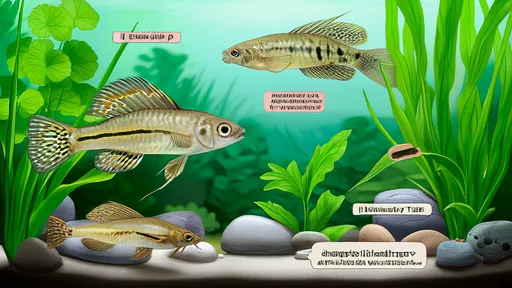
For aquarium enthusiasts, few sights are as concerning as the appearance of white spots dotting a fish's scales or the gradual deterioration of its elegant fins. These visual cues often signal the onset of two of the most common and troublesome ailments in home aquariums: Ichthyophthirius multifiliis, universally known as Ich or white spot disease, and fin rot. Both conditions can escalate from minor nuisances to severe, life-threatening situations with alarming speed if not properly addressed. Understanding their prevention, early recognition, and effective treatment is not merely a part of fishkeeping; it is a fundamental responsibility for anyone maintaining an aquatic ecosystem.
Animal

A Beginner's Guide to Keeping Geckos: What Do You Need to Prepare?

By /Sep 10, 2025

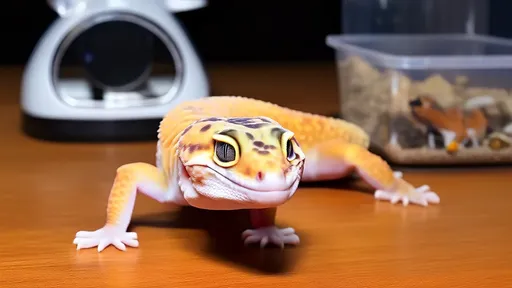
So you're thinking about getting a gecko? That's fantastic. These little creatures make wonderful pets for both beginners and experienced reptile enthusiasts alike. But before you rush out to bring one home, there's a crucial truth you need to understand: their well-being is entirely in your hands. A proper setup isn't just a recommendation; it's the absolute foundation for a long, healthy, and happy life for your new scaled friend. This guide will walk you through everything you need to know to create a perfect home for a gecko, focusing primarily on the ever-popular Leopard Gecko, though many principles apply to other common species.
Animal

Do Rabbits Need to Grind Their Teeth? Health Risks of Overgrown Teeth

By /Sep 10, 2025

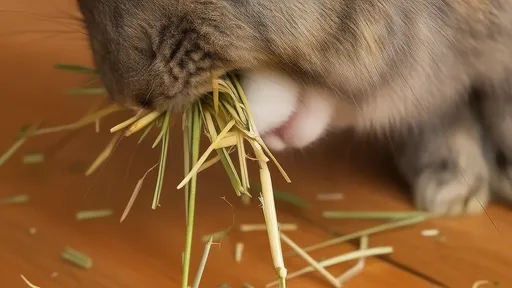
When we think of rabbits, we often picture fluffy creatures hopping around and munching on carrots. But there's a critical aspect of their biology that many owners overlook: their continuously growing teeth. Unlike human teeth, which stop growing after a certain point, a rabbit's teeth never stop. This unique dental structure is both a marvel of evolution and a potential source of serious health problems if not properly managed.
Animal

How to Choose the Right Cat Litter for Your Feline Friend: Soybean Sand, Bentonite, or Crystal Sand?

By /Sep 10, 2025

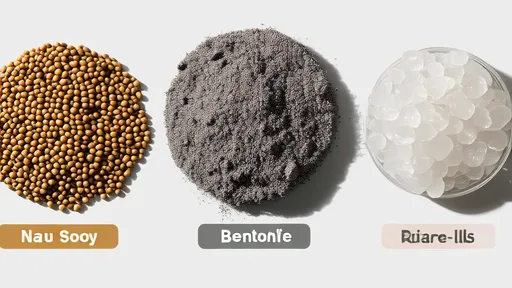
Choosing the right litter for your feline companion is one of the most crucial yet often overlooked aspects of cat ownership. It’s not merely a matter of convenience for the human members of the household; the type of litter you select can profoundly impact your cat’s health, happiness, and willingness to use the litter box consistently. A poor choice can lead to stress, inappropriate elimination outside the box, and even potential health issues. Therefore, understanding the nuances of the most popular options—tofu litter, bentonite clay, and crystal litter—is essential for making an informed decision that benefits both you and your cat.
Animal

List of Foods Dogs Cannot Eat: Why Are Chocolate and Grapes Poisonous?

By /Sep 10, 2025

As dog owners, we often share our lives and our homes with our furry companions, but sharing our food can sometimes lead to tragic consequences. Among the many human foods that pose risks to dogs, chocolate and grapes stand out as particularly dangerous. Understanding why these common items are toxic can help pet owners make informed decisions and prevent accidental poisonings.