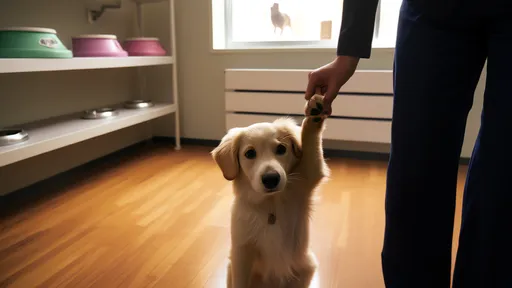
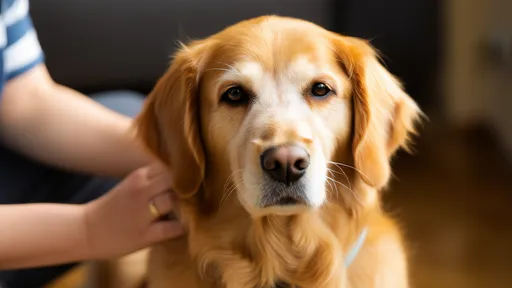
In the quiet suburbs of Seoul, a woman named Mina cradles her golden retriever, Bella, who nuzzles against her with familiar affection. The remarkable part of this scene isn't the bond itself—it's the fact that this is the second Bella. The original passed away three years ago from cancer, leaving a void so profound that Mina turned to a controversial yet rapidly advancing field: pet cloning. What was once the stuff of science fiction has become a tangible, albeit expensive, reality. For a price tag ranging from $50,000 to $100,000, companies like ViaGen Pets and Sooam Biotech offer grieving owners a chance to literally recreate their lost companions.
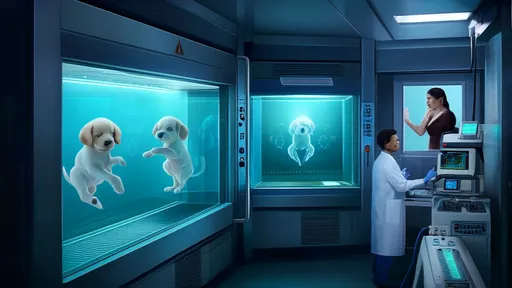
The science behind this process is a sophisticated echo of the one that created Dolly the sheep. It begins with a small tissue sample from the original pet, often taken shortly before or after its death. Technicians extract the genetic material from these cells and insert it into an egg cell from a donor animal that has had its own nucleus removed. A carefully controlled jolt of electricity fuses the two and triggers cell division, creating an embryo. This embryo is then implanted into a surrogate mother, who carries it to term. The result is a genetic twin of the original animal, born at a later date.
For clients who choose this path, the motivation is rarely about novelty or status; it is an act of profound grief and love. The loss of a pet can be as devastating as losing a family member, and the promise of a clone offers a powerful antidote to that pain. It is a chance to hold onto a physical piece of a beloved friend, to see the same eyes looking back, and to feel the same fur under trembling fingers. These owners speak of the clone not as a replacement, but as a continuation—a second chapter for a love story that felt tragically cut short.
However, this technological miracle is fraught with significant ethical dilemmas that extend far beyond the individual owner's heartache. The most immediate concern is animal welfare. The cloning process is notoriously inefficient. It requires numerous egg donors and surrogate mothers to achieve a single successful pregnancy. Many embryos fail to develop, and the surrogate animals undergo repeated hormonal treatments and surgical procedures. Critics argue that this subjects a large number of animals to significant stress and potential suffering for the benefit of producing one genetically specific animal for a human client.
Furthermore, the very premise of cloning confronts us with a philosophical question about identity and expectation. Can a clone truly be the same? While genetically identical, an animal's personality is shaped by a complex interplay of genetics, environment, and unique experiences. The clone of a brilliantly clever border collie may share its predisposition for intelligence, but it will not have the same life memories, the same learned behaviors, or the same unbreakable bond forged over years with its original owner. This sets the stage for potential disappointment, placing an immense burden of expectation on a new life that is, in fact, its own unique individual.
The commercialization of life itself presents another layer of ethical unease. Pet cloning exists primarily as a luxury service for the wealthy, raising questions about the allocation of resources. Animal welfare advocates contend that the vast sums of money spent on cloning a single dog could instead save thousands of homeless animals languishing in shelters. This creates a stark contrast between creating new life for a high price and preserving existing lives that are often overlooked. It forces a societal conversation about our values and whether we are prioritizing sentimentality over compassion.
On a broader scale, the normalization of pet cloning could subtly reshape our relationship with animals and mortality. Does the ability to genetically duplicate a companion make its life more disposable? Could it lead to a culture where the deep, irreplaceable loss associated with death is sidestepped through technology, potentially cheapening the authentic experience of grief and the acceptance of life's natural cycle? These are not questions with easy answers, but they are essential to consider as we stride further into this new frontier.
Despite the controversies, the industry continues to develop, with researchers working to improve efficiency and success rates. Some scientists even envision a future where cloning is combined with genetic editing to not only replicate a pet but also eliminate hereditary diseases that plagued the original, creating a "healthier" version. This prospect, while promising, opens an entirely new Pandora's box of ethical considerations regarding genetic modification.
Back in Seoul, Mina is happy. Her new Bella has the same patch of white fur on her chest and the same endearing head tilt. The pain of her loss has been soothed, though not erased. Her story represents the heart of the cloning debate: a deeply human desire to conquer loss and preserve love, clashing with complex moral responsibilities toward other living beings and the natural order. As this technology becomes more accessible, society must grapple with whether it represents a beautiful way to let love endure or a troubling step into an ethical quagmire where the lines between life, commodity, and grief become dangerously blurred.
By /Sep 10, 2025
By /Sep 10, 2025
By /Sep 10, 2025

By /Sep 10, 2025

By /Sep 10, 2025
By /Sep 10, 2025

By /Sep 10, 2025
By /Sep 10, 2025
By /Sep 10, 2025
By /Sep 10, 2025
By /Sep 10, 2025
By /Sep 10, 2025
By /Sep 10, 2025

By /Sep 10, 2025
By /Sep 10, 2025
By /Sep 10, 2025
By /Sep 10, 2025
By /Sep 10, 2025
By /Sep 10, 2025

By /Sep 10, 2025
