For generations, the stereotype of the aloof, independent cat has persisted in popular culture. Unlike their canine counterparts, cats are often painted as solitary creatures who tolerate humans rather than genuinely bond with them. This perception, however, fails to capture the subtle and sophisticated language of feline affection. Cats do not express love through boisterous tail wags or slobbery kisses; their methods are far more nuanced, a quiet poetry of behavior that requires a keen and understanding eye to interpret. To live with a cat is to learn a new dialect of love, one spoken in blinks, head-butts, and the gentle press of a paw.
One of the most fundamental and profound ways a cat shows trust and affection is through the slow blink. Often referred to as a "cat kiss," this languid closing of the eyes in your presence is a tremendous compliment in the feline world. In cat communication, closing one's eyes is the ultimate sign of trust, indicating that the cat feels safe and secure enough to let its guard down. When your cat looks at you from across the room and slowly squints its eyes, it is essentially saying, "I am comfortable with you. I trust you not to harm me." Reciprocating this gesture by slowly blinking back is a wonderful way to communicate your own affection and solidify your bond, engaging in a silent conversation of mutual respect and love.
Another unmistakable sign of a cat's fondness is head-butting, or bunting. This behavior involves the cat gently rubbing its head, cheeks, and flanks against you, your legs, or even objects you frequently use. While it might seem like a simple request for attention, it is far more significant. Cats possess scent glands on their heads, and through bunting, they are mingling their scent with yours. This act marks you as safe, familiar, and part of their family group—their colony. It is a claiming behavior, a way of creating a communal scent that says, "You are mine, and I am yours." This shared scent profile is deeply comforting to a cat and is a primary method of creating a sense of belonging and home.
The act of kneading, often called "making biscuits" due to the rhythmic pushing motion of their paws, is a behavior rooted in kittenhood. kittens knead their mother's belly to stimulate milk flow. When an adult cat performs this action on a soft blanket, a pillow, or, most tellingly, on your lap, it is a throwback to this comforting, primal instinct. It is a sign of utter contentment, security, and happiness. The cat is in a state of pure bliss, often accompanied by purring and a glazed, half-closed expression. By kneading on you, your cat is associating you with the warmth, safety, and nourishment of its mother—the highest form of compliment in the feline world.
Many cat owners have experienced the curious sensation of their cat presenting its rear end to them. While humans may find this gesture off-putting, it is, in fact, a gesture of great trust and a sign of greeting. In the wild, presenting one's back is a vulnerable position. By turning away from you and offering this view, your cat is demonstrating that it does not see you as a threat. Furthermore, cats identify each other and their trusted humans by scent, and the scent glands around the tail base are particularly potent. This presentation is their way of saying hello and offering their unique scent signature for your inspection, a ritualistic greeting among familiar and friendly cats.
A cat's tail is a magnificent barometer of its emotions, and a tail held high is a clear signal of confidence and friendliness. When your cat approaches you with its tail straight up, perhaps with the very tip crooked into a question mark shape, it is a cheerful and welcoming greeting. This upright tail posture is how kittens greet their mothers, and adults use it to signal non-threatening intentions to other cats. If your cat weaves through your legs with its tail held high, it is combining this happy greeting with the scent-marking of bunting, a double affirmation of its affection and pleasure at your presence.
Contrary to the belief that purring is solely a sign of pleasure, it is a far more complex vocalization. Cats certainly purr when they are content, often while being petted or lounging in a sunbeam. However, they also purr to self-soothe when in pain, stressed, or even when giving birth. The purr directed at you, in a calm and comfortable setting, is undoubtedly a sign of affection and contentment. It is a vibration that signifies "all is well." Some theories even suggest the frequency of a cat's purr can have healing properties, promoting bone density and healing—so your cat's purr might literally be its way of trying to take care of you in return.
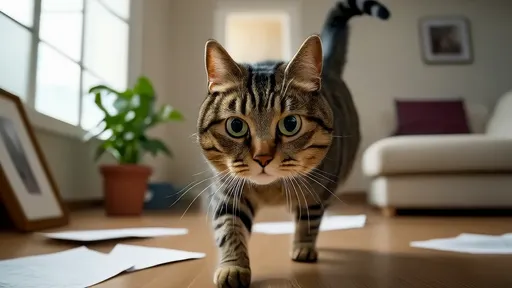
Perhaps one of the greatest honors a cat can bestow upon its human is the gift of a "present." This could be a hunted toy, a stray hair tie, or, unfortunately for the squeamish, a real captured prey item. While we may not appreciate a dead mouse on the doorstep, we must understand the intention behind it. Cats are natural hunters, and in their world, providing food is a core function of the family unit—a mother cat for her kittens, and colony members for each other. By bringing you its catch, your cat is not only showcasing its prowess but is also treating you as a member of its family who cannot hunt for itself. It is an instinctive, deeply ingrained behavior driven by care and a sense of responsibility for your well-being.
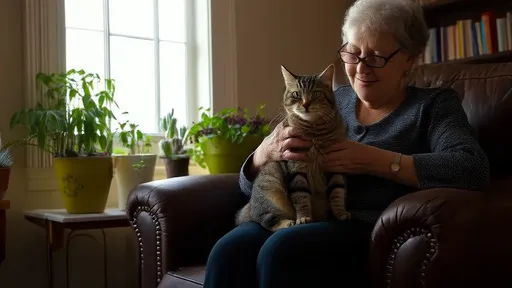
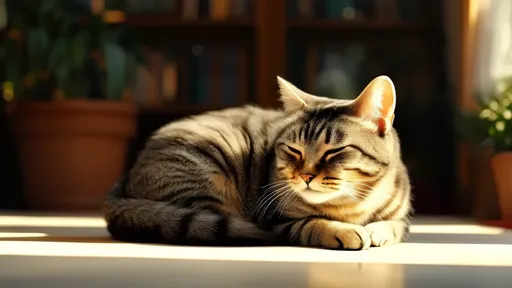
Finally, the simple act of choosing to be near you is a powerful testament to a cat's love. An aloof animal would not seek out your company. Whether your cat follows you from room to room, not necessarily to interact but just to be in the same space, or chooses to nap curled up near you, it is a sign of deep trust and affection. This behavior, known as "proximity seeking," means your presence is a source of comfort and security. They enjoy your rhythm, your scent, and the simple reassurance that you are nearby. In a world full of potential threats, a cat's choice to relax and sleep in your presence is one of the purest and most honest compliments it can give.
The language of feline love is not one of grand declarations but of quiet, consistent gestures. It is a lexicon written in slow blinks, gentle head-butts, and the soft rumble of a purr. To understand a cat is to move beyond the myth of the independent and to appreciate the subtle, profound ways they choose to connect with us. They offer their trust, their companionship, and their unique form of affection on their own terms, making the bond, once recognized, all the more special and rewarding.
By /Sep 10, 2025
By /Sep 10, 2025
By /Sep 10, 2025

By /Sep 10, 2025

By /Sep 10, 2025

By /Sep 10, 2025

By /Sep 10, 2025
By /Sep 10, 2025
By /Sep 10, 2025
By /Sep 10, 2025

By /Sep 10, 2025
By /Sep 10, 2025
By /Sep 10, 2025

By /Sep 10, 2025
By /Sep 10, 2025
By /Sep 10, 2025
By /Sep 10, 2025
By /Sep 10, 2025
By /Sep 10, 2025
By /Sep 10, 2025
