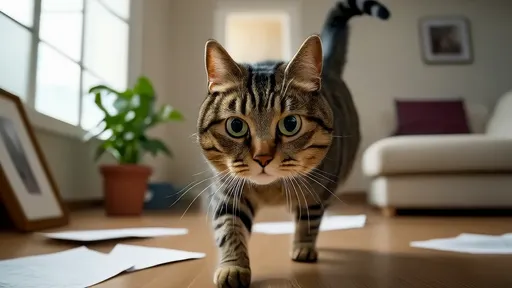
Every cat owner has witnessed it at some point—the sudden dilation of pupils, the flattened ears, the frantic dash under the bed. These are the visible signs of a cat in distress, a creature caught in the throes of a stress response. While often dismissed as mere skittishness, the physiological and psychological impact of stress on a feline is profound and, if left unmanaged, can have severe and lasting consequences for its health and well-being.
The term "stress" might sound like a human condition, but for our obligate carnivore companions, it is a deeply ingrained, primal survival mechanism. When a cat perceives a threat, its body initiates a cascade of hormonal changes, primarily the release of adrenaline and cortisol. This "fight or flight" response is designed for short-term emergencies, sharpening senses and flooding the muscles with energy for a rapid escape. In the wild, this system is crucial. In a domestic setting, however, the triggers are rarely life-threatening, but the biological reaction is just as intense.
The true danger lies in chronic stress. When a cat is repeatedly exposed to stressors it cannot escape—a loud new appliance, a hostile neighborhood cat outside the window, the introduction of a new baby or pet—its system remains in a constant state of high alert. The sustained high levels of cortisol begin to wreak havoc on the body. The immune system is suppressed, leaving the cat vulnerable to a host of illnesses, from recurrent upper respiratory infections and skin conditions to more serious diseases like diabetes mellitus and feline idiopathic cystitis, a painful and potentially life-threatening inflammation of the bladder. Behaviorally, a chronically stressed cat may become either aggressively defensive or withdrawn and reclusive. They may stop using the litter box, over-groom to the point of creating bald patches, or develop obsessive-compulsive behaviors.
Perhaps the most frightening aspect of feline stress is how easily it can be overlooked. Cats are masters of disguise, a trait inherited from their wild ancestors who could not afford to show weakness. A stressed cat might not hiss or hide; it might simply sit perfectly still, its anxiety invisible to the untrained eye. This silent suffering means that by the time physical symptoms manifest, the psychological toll has already been significant. The fear response becomes conditioned, and the cat's world progressively shrinks as it seeks to avoid any and all potential triggers.
Given the severe implications, the responsibility falls on us, the caregivers, to become diligent architects of their environment. The goal is not to create a world devoid of any stimulation, but to build a foundation of security and predictability that allows a cat to feel in control. The cornerstone of this effort is understanding the feline need for territory and resources. In the wild, survival depends on controlling a territory that contains all necessary resources: food, water, shelter, and safe elimination sites. This instinct is undiminished in our homes.
A critical strategy is to provide an abundance of key resources, particularly in multi-cat households. The golden rule is one per cat, plus one extra. This applies foremost to litter boxes. Competition or anxiety around a single, poorly placed litter box is a prime cause of stress-induced inappropriate elimination. Boxes should be large, uncovered to avoid trapping odors and providing no escape route, and placed in quiet, low-traffic areas away from food and water stations. Similarly, providing multiple feeding stations and water bowls throughout the home can prevent resource guarding and reduce competition.
Vertical space is another non-negotiable element of a low-stress environment. Cats feel secure when they can survey their domain from a height. Providing cat trees, wall-mounted shelves, window perches, and even access to the top of cupboards offers invaluable escape routes and confidence-boosting vantage points. This allows a cat to remove itself from a stressful situation on the floor, whether it's a roaming dog, a toddling child, or simply too much activity. This control over its own proximity to stress is incredibly empowering for a cat.
Environmental enrichment is the process of making a cat's territory more engaging and stimulating, thus preventing the boredom that can itself be a source of stress. This involves catering to their natural instincts to hunt, play, and explore. Puzzle feeders that require a cat to work for its food mimic the challenge of a hunt and provide mental stimulation. Regular, interactive play sessions with wand toys that mimic prey—like feathers or a crumpled paper tied to a string—allow for a healthy outlet for pent-up energy and predatory instincts. Even simple changes, like rotating toys to keep them novel or placing a bird feeder outside a secure window for "cat TV," can provide hours of mental engagement.
When change is inevitable, its introduction must be managed with extreme patience and a deliberate, gradual approach. The key is to make the change almost imperceptible at first. For a new cat, this means a lengthy period of separation behind a closed door, allowing the resident and new cat to become accustomed to each other's scent through door cracks and swapped bedding before any visual contact is made. For a new piece of furniture, simply allowing it to sit in the room for a few days lets the cat investigate it on its own terms. For a move to a new home, setting up a single "base camp" room first with all the cat's familiar items—bed, litter box, scratching post, and an unwashed piece of the owner's clothing for scent—provides a safe haven from which the cat can gradually explore the larger, unfamiliar space.
Throughout all of this, the human-animal bond is the most powerful tool for reducing stress. Our voices, our scent, and our calm, predictable presence are the ultimate reassurance. Force should never be used. Instead, allowing the cat to initiate contact and providing positive associations through treats, gentle play, and soft-spoken praise builds trust. In some cases of extreme anxiety, consulting a veterinarian or a certified animal behaviorist is essential. They can rule out underlying medical causes and may recommend products like synthetic feline facial pheromone diffusers, which mimic the "happy" marks a cat leaves when it rubs its face on surfaces, signaling that an area is safe. In persistent cases, they may also discuss the temporary use of anti-anxiety medications to help break the cycle of fear.
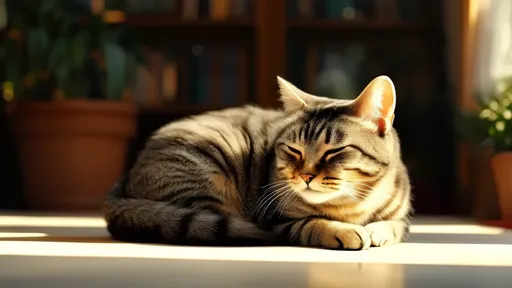
Ultimately, mitigating feline stress is an exercise in empathy. It requires us to see the world through their eyes—a world where a plastic bag rustling in the wind can be a predator, where a stranger's visit is an invasion of territory, and where the loss of a familiar sunbeam is a genuine disruption. By thoughtfully curating their environment and respecting their profound need for safety and predictability, we do more than just prevent illness. We grant them the profound gift of a peaceful life, allowing their true, curious, and contented personalities to flourish, free from the shadows of fear.
By /Sep 10, 2025
By /Sep 10, 2025
By /Sep 10, 2025

By /Sep 10, 2025

By /Sep 10, 2025

By /Sep 10, 2025

By /Sep 10, 2025
By /Sep 10, 2025

By /Sep 10, 2025

By /Sep 10, 2025

By /Sep 10, 2025

By /Sep 10, 2025
By /Sep 10, 2025

By /Sep 10, 2025
By /Sep 10, 2025
By /Sep 10, 2025
By /Sep 10, 2025
By /Sep 10, 2025
By /Sep 10, 2025

By /Sep 10, 2025
