The Chinese Li Hua cat, a breed as ancient as the civilization it hails from, carries with it an aura of quiet dignity and primal instinct. Often referred to as Dragon Li in the West, this feline is not merely a pet; it is a living testament to a long history of natural selection and survival. To understand a Li Hua is to understand the very essence of the untamed spirit that resides, albeit politely, within a domestic setting. Its most defining characteristics, its profound independence and its deeply ingrained hunting prowess, are not just quirks of personality but the cornerstones of its existence, forged over centuries in the varied landscapes of China.
From the moment a Li Hua kitten opens its eyes, a sense of self-reliance is palpable. Unlike many modern breeds developed for constant companionship and lap-sitting affection, the Li Hua possesses a reserved and discerning nature. This is not a cat that will relentlessly demand your attention or succumb to separation anxiety. Its affection is earned, not given freely, and it is all the more valuable for it. Owners often describe a relationship built on mutual respect rather than needy dependence. The cat will choose when to seek out a scratch behind the ears or a warm lap, and it will do so on its own terms. This independence manifests in its quiet observation of household activities, its ability to entertain itself for hours with a simple toy or a sunbeam, and its calm demeanor when left alone. It is a creature of quiet confidence, perfectly content in its own company.
This self-sufficiency is a direct inheritance from its past. The Li Hua is a natural breed, meaning its development was guided by the harsh realities of environment and function, not human aesthetic preference. For generations, these cats lived as skilled working mousers on farms, in shops, and aboard river vessels. Their survival, and indeed their value to humans, depended entirely on their ability to operate autonomously. They patrolled territories, assessed threats, and solved problems—primarily the problem of rodents—without instruction or oversight. This historical role has hardwired a pragmatic and capable mindset. They are thinkers and doers. You will not find a Li Hua helplessly meowing at a bug on a high ceiling; you will find it calculating the series of jumps required to reach it, and then executing the plan with silent efficiency.
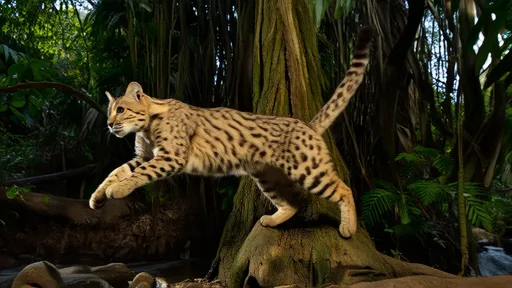
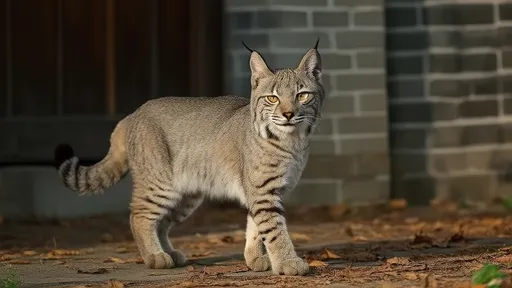
Closely intertwined with its independent spirit is the Li Hua's formidable hunting instinct. This is not a dormant trait but a vibrant, ever-present drive that colors its every interaction with the world. The classic brown mackerel tabby coat is not just for show; it is a perfect camouflage, allowing the cat to melt into dappled shadows and tall grass. Their bodies are the embodiment of form following function: a strong, muscular, and agile build that is neither overly bulky nor delicate. Every movement is economical and purposeful, speaking of a physique designed for the pounce and the chase. Their large, almond-shaped eyes, typically a striking shade of green or yellow, are sharp and perceptive, missing no movement, no matter how slight.
This instinct is so potent that it will surface in the most domestic of environments. A stray leaf blown across the floor by the wind, a dangling piece of string, a dust bunny rolling under the sofa—all are instantly transformed into prey in the eyes of a Li Hua. Their play is not frivolous; it is practice. They will stalk, chase, bat, and deliver the infamous "kill bite" to their toys with serious intensity. This behavior is crucial for their mental and physical well-being. It is not enough to simply feed a Li Hua; one must engage its mind and satisfy this primal need to hunt. Puzzle feeders that require them to work for food, interactive wand toys that mimic the flight of a bird or the scuttle of a mouse, and even supervised outdoor time in a secure enclosure ("catio") are not luxuries for this breed—they are necessities.
For a potential owner, understanding and respecting these twin pillars of its character is paramount. The Li Hua's independence means it is an excellent choice for individuals or families with busy schedules. It will not pine away in loneliness but will structure its own day. However, this does not mean it is aloof or unloving. Its bonds are deep and loyal, but they are demonstrated through quiet companionship—sitting nearby while you read, following you from room to room just to keep an eye on you, or offering a soft head-butt of greeting. It communicates more through gentle chirps and trills than loud, persistent meows. Trying to force a Li Hua into the role of a cuddly, passive lap cat is a disservice to its nature and will only lead to frustration for both human and feline.
Similarly, ignoring its hunting drive can lead to behavioral issues. A bored Li Hua, its instincts stifled, may redirect its energy into undesirable channels like excessive nighttime activity, or "hunting" household objects like feet under blankets. The key is to provide approved outlets. Engaging in daily, vigorous play sessions is a non-negotiable part of responsible ownership. This not only keeps the cat physically fit but also strengthens the bond, as you become its trusted hunting partner. It is a rewarding experience to witness the sheer focus and athletic grace it exhibits during these activities, a direct window into its soul.
In a world where many cat breeds are selectively bred for extreme looks or docile temperaments, the Chinese Li Hua stands apart as a genuine, unadulterated creature of instinct and ability. It is a rugged individualist in a feline form. Its value lies not in its novelty, but in its authenticity. To share a home with a Li Hua is to be granted a glimpse into the ancient, efficient world of a supreme natural predator—a world of silent stalks, calculated leaps, and quiet self-assurance. It is a cat that asks not for adoration, but for respect. It offers not blind devotion, but a dignified partnership. For the right person, one who appreciates subtlety over spectacle and capability over clinginess, the Chinese Li Hua is not just a pet; it is the most interesting and respected roommate one could ever hope to have.
By /Aug 20, 2025
By /Aug 20, 2025
By /Aug 20, 2025
By /Aug 20, 2025
By /Aug 20, 2025
By /Aug 20, 2025
By /Aug 20, 2025
By /Aug 20, 2025
By /Aug 20, 2025
By /Aug 20, 2025
By /Aug 20, 2025
By /Aug 20, 2025
By /Aug 20, 2025

By /Aug 20, 2025
By /Aug 20, 2025
By /Aug 20, 2025

By /Aug 20, 2025
By /Aug 20, 2025
By /Aug 20, 2025

By /Aug 20, 2025
