In the world of canine companions, few breeds command as much respect and, at times, apprehension, as the Rottweiler. With their powerful build, deep bark, and unwavering loyalty, they are often misunderstood. The key to unlocking the gentle giant within this magnificent breed lies not in forceful dominance but in two critical, intertwined pillars of canine development: early socialization and dedicated obedience training. These are not mere suggestions for Rottweiler ownership; they are absolute, non-negotiable prerequisites for shaping a well-adjusted, confident, and safe member of both the family and society.
The concept of the critical socialization period is a cornerstone of modern canine behavioral science. For puppies, this window of peak learning and adaptability is remarkably short, typically spanning from about three weeks to approximately sixteen weeks of age. During this time, a puppy’s brain is exceptionally receptive to new experiences. What they encounter, hear, see, and smell during these formative weeks becomes their baseline for normalcy for the rest of their lives. For a Rottweiler, a breed genetically predisposed to being reserved and watchful, maximizing this period is arguably more crucial than for many other breeds. A Rottweiler puppy that is sheltered and isolated during this time is being set up for a future fraught with fear, anxiety, and potential reactivity. The unfamiliar becomes a threat, and for a large, powerful dog, a fearful reaction can have serious consequences.
Effective socialization for a Rottweiler is far more nuanced than simply introducing them to a dozen people and calling it a day. It is a careful, deliberate, and positive process of building a vast library of positive associations. The goal is to expose the puppy to the incredible diversity of the human world in a way that is fun, rewarding, and never overwhelming. This means introducing them to people of all ages, sizes, and ethnicities—men with beards, children with high-pitched voices, individuals wearing hats or using mobility aids like wheelchairs or canes. It means acclimating them to various environmental stimuli: the rumble of traffic, the sound of sirens, the slickness of a tile floor, the crunch of gravel under paw, the experience of walking on a leash, and the chaos of a controlled, pet-friendly store.
Each new encounter must be paired with something the puppy values highly, typically tiny, delicious treats or enthusiastic praise. The sight of a jogger should predict a piece of chicken. The sound of a vacuum cleaner, initially operated at a distance, should mean a shower of cheese. This process, known as classical conditioning, builds neural pathways that tell the young Rottweiler, "New and different things make good things happen for me." This is the antithesis of fear. It builds a resilient and curious dog rather than a suspicious and nervous one. The well-socialized Rottweiler learns to assess new situations with calm curiosity instead of immediate defensiveness.
While socialization builds the dog's confidence in the world, obedience training builds the crucial framework for communication and control between the dog and its handler. For a dog possessing the Rottweiler's strength and intelligence, a lack of clear structure and guidance is a recipe for disaster. These are working dogs, bred for centuries to use their brains and brawn in partnership with humans. They thrive on having a job to do and a leader to look to for direction. Without this mental stimulation and clear hierarchy, their powerful intellect will find its own outlets, which often manifest as stubbornness, destructive chewing, guarding behaviors, or other problematic issues.
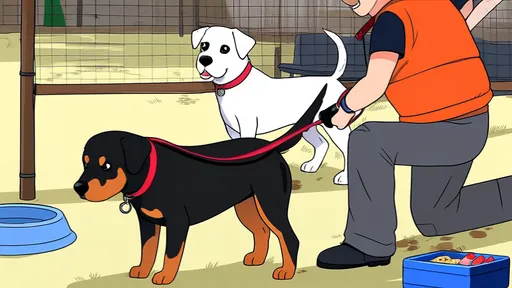
Obedience training is not about suppressing the Rottweiler's spirit or breaking its will. On the contrary, it is about channeling its natural drives into constructive behaviors. It is the process of teaching a shared language. Commands like sit, stay, down, and a reliable recall are not party tricks; they are essential tools for management and safety. A solid "leave it" command can prevent the dog from scavenging something dangerous on a walk. A strong "stay" can stop them from bolting out an open door. A instant recall can bring them back from a potential confrontation. These commands provide the handler with peaceful, non-confrontational control in any situation.
The most effective method for training a Rottweiler, or any dog, is positive reinforcement. This philosophy centers on rewarding the behaviors you want to see more of and ignoring or managing the ones you don't. Rottweilers are famously sensitive and deeply bond with their families. Harsh, punitive training methods are not only unnecessary but are profoundly counterproductive. They can easily damage the trust between dog and owner, fuel anxiety, and even provoke defensively aggressive responses. Positive reinforcement, using high-value treats, toys, and praise, leverages the Rottweiler's desire to please and its love of working. It makes training a fun and engaging game for the dog, strengthening the bond and ensuring the dog is a willing participant in its own education.
The true magic happens when socialization and obedience training are woven together seamlessly from the very beginning. They are two sides of the same coin. A training session in a quiet backyard is one thing; practicing those same commands in a slightly distracting environment, like a quiet park, is where the learning is solidified. This is known as proofing behaviors. The ultimate goal is to have a Rottweiler that can heel politely past a barking dog, sit-stay while its owner chats with a friend, and remain focused and responsive even amidst the exciting smells and sounds of a bustling environment.
This integrated approach does more than create a manageable pet; it forges an unshakeable bond of mutual trust and respect. The owner becomes a source of guidance, safety, and good things. The Rottweiler learns to look to its human for cues on how to behave in any scenario. This reliable foundation is what allows the true, wonderful nature of the Rottweiler to shine through: the calm steadfastness, the silly clownishness with its family, the gentle patience with children, and the quiet confidence that has no need to prove itself. It transforms a powerful animal into a trusted partner and a cherished family member.
Neglecting these fundamental aspects of development is a grave disservice to the Rottweiler breed. An undersocialized, untrained Rottweiler is not a "bad dog," but it is a dangerous liability. Its natural protective instincts, combined with fear of the unknown and a lack of impulse control, can create a perfect storm for aggression or fear-based biting incidents. This is tragically unfair to the dog, which is simply behaving according to its limited experiences and lack of education, and it is devastating for the victims and owners involved. It is these preventable tragedies that contribute to the breed's often negative public perception and, in some areas, breed-specific legislation.
Ultimately, the journey of raising a Rottweiler is a significant commitment that should not be undertaken lightly. It demands time, patience, consistency, and a proactive approach to its psychological development. The investment made during those first critical months and continued throughout the dog's adolescence pays dividends for a lifetime. It is the difference between living with a constant source of potential stress and conflict and sharing your life with the most loyal, composed, and magnificent companion imaginable. The powerful, intelligent mind of the Rottweiler is a blank canvas; it is the owner's profound responsibility to ensure it is painted with the confident, calm, and obedient strokes of early socialization and dedicated training.

By /Aug 20, 2025

By /Aug 20, 2025

By /Aug 20, 2025

By /Aug 20, 2025

By /Aug 20, 2025

By /Aug 20, 2025

By /Aug 20, 2025

By /Aug 20, 2025
By /Aug 20, 2025

By /Aug 20, 2025

By /Aug 20, 2025
By /Aug 20, 2025
By /Aug 20, 2025

By /Aug 20, 2025

By /Aug 20, 2025
By /Aug 20, 2025

By /Aug 20, 2025

By /Aug 20, 2025

By /Aug 20, 2025
By /Aug 20, 2025
