For many Bichon Frise owners, the charming appearance of their fluffy companion is often marred by unsightly reddish-brown streaks beneath the eyes, commonly known as tear stains. These stains not only affect the aesthetic appeal of the dog but can also indicate underlying health or care issues that require attention. While tear stains are a frequent concern among light-colored breeds, they are particularly noticeable and persistent in Bichons due to their white fur. Addressing this issue comprehensively involves understanding the multifaceted causes and implementing a holistic approach that goes beyond superficial remedies.
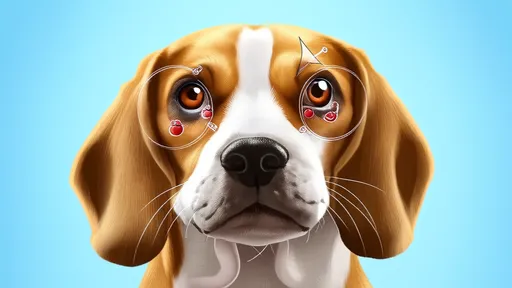
The primary cause of tear staining in Bichon Frises is epiphora, a condition characterized by excessive tear production. Tears are essential for maintaining eye health as they lubricate the eyes and wash away debris. However, when produced in excess, they overflow onto the face, and the pigments in the tears, along with moisture, create a perfect environment for bacterial growth, leading to those characteristic stains. The reddish-brown color is often due to porphyrins, iron-containing molecules excreted through tears, saliva, and other bodily fluids. When exposed to air and light, these molecules oxidize and darken, embedding into the fur.
Several factors contribute to excessive tearing. Genetic predisposition plays a significant role; Bichons are prone to certain anatomical issues such as shallow eye sockets or hair growth around the eyes that can irritate the cornea and stimulate tear production. Additionally, blocked tear ducts are common in small breeds. If the ducts are too narrow or obstructed, tears cannot drain properly into the nasal cavity and instead spill over onto the face. Environmental irritants like dust, pollen, or smoke can also cause eyes to water excessively as a protective mechanism.
Diet is another critical factor often overlooked. Low-quality commercial dog foods containing artificial additives, fillers, or allergens can trigger inflammatory responses and increase tear production. Some Bichons may have sensitivities to specific ingredients such as corn, wheat, or certain proteins, leading to not only digestive issues but also ocular discharge. The quality of water provided can also influence staining; high mineral content in tap water, particularly iron, can exacerbate the porphyrin deposits that cause discoloration.
Bacterial and yeast infections are both a cause and a consequence of tear staining. The moist area beneath the eyes is an ideal breeding ground for microorganisms. Malassezia yeast and bacteria like Staphylococcus can thrive there, leading to inflammation, odor, and further staining. This creates a vicious cycle: the moisture from tears promotes microbial growth, which in turn irritates the skin and eyes, causing even more tearing. It's essential to break this cycle to achieve long-term results.
Addressing tear stains requires a multi-pronged strategy starting with regular grooming and hygiene. Keeping the hair around the eyes trimmed short can prevent it from wicking tears onto the face and irritating the cornea. Daily wiping of the eye area with a soft, damp cloth or a specially formulated tear stain wipe helps remove residue and moisture before stains set in. However, avoid products containing antibiotics or steroids unless prescribed by a veterinarian, as misuse can lead to resistance or other complications.
Dietary adjustments can yield significant improvements. Transitioning to a high-quality, hypoallergenic diet free from common allergens and artificial ingredients may reduce inflammatory responses. Some owners find that adding a small amount of apple cider vinegar or probiotics to their dog's meals helps balance pH levels and improve gut health, which can indirectly reduce tearing. Providing filtered or bottled water low in minerals can also minimize porphyrin-related discoloration over time.
For underlying health issues, veterinary consultation is crucial. If blocked tear ducts are suspected, a vet can perform a flush to clear obstructions. Allergies, whether food-based or environmental, might require antihistamines or other medications. In cases of infection, appropriate antifungal or antibacterial treatments will be necessary. Regular check-ups can help identify and address problems like dental issues or ear infections that might contribute to excessive tearing due to pain or inflammation.
There are numerous commercial products marketed for tear stain removal, such as cleansing solutions, powders, and supplements. While some can be effective, it's important to choose those with natural ingredients like chamomile or cranberry extract, which have anti-inflammatory and antioxidant properties. Avoid products with unnecessary chemicals or antibiotics. Supplements containing probiotics or yeast-based ingredients aim to support overall health and reduce staining from within, but results can vary, and patience is required as changes take time.
Ultimately, consistency and patience are key in managing tear stains. There is no overnight solution, and what works for one dog may not work for another. A combination of good grooming practices, a tailored diet, proactive health care, and safe cleaning methods will gradually reduce and prevent stains. Embracing this comprehensive approach ensures not only a cleaner appearance but also contributes to the overall well-being and happiness of your Bichon Frise, allowing their natural beauty to shine through without blemish.

By /Aug 20, 2025

By /Aug 20, 2025

By /Aug 20, 2025

By /Aug 20, 2025

By /Aug 20, 2025

By /Aug 20, 2025

By /Aug 20, 2025

By /Aug 20, 2025
By /Aug 20, 2025

By /Aug 20, 2025

By /Aug 20, 2025

By /Aug 20, 2025

By /Aug 20, 2025

By /Aug 20, 2025
By /Aug 20, 2025

By /Aug 20, 2025

By /Aug 20, 2025
By /Aug 20, 2025

By /Aug 20, 2025

By /Aug 20, 2025
