The Puppy Cat" Personality of Ragdolls: Social Needs and Fur Grooming

Aug 20, 2025 By

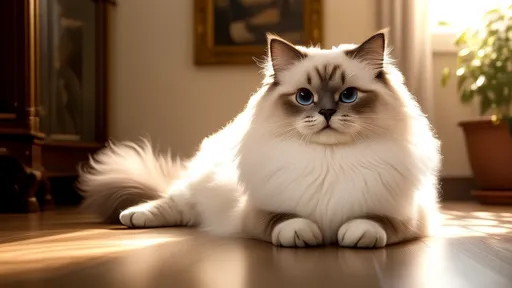
Ragdoll cats, often affectionately dubbed as "puppy cats," have carved a unique niche in the feline world with their dog-like demeanor and plush, luxurious coats. This breed, known for its striking blue eyes and color-pointed fur, is not just a visual delight but a companion that blurs the lines between typical cat aloofness and canine loyalty. Their social needs and grooming requirements are two pivotal aspects that potential and current owners must understand to ensure these gentle giants thrive in a domestic setting.

The moniker "puppy cat" is no exaggeration; it is a testament to the Ragdoll's extraordinary personality. Unlike many independent feline breeds, Ragdolls are renowned for their people-oriented nature. They form deep, affectionate bonds with their human families, often following them from room to room like a shadow. This isn't a cat that will simply tolerate your presence; it will actively seek it out. They crave interaction, whether it's participating in household activities, "helping" you work on the computer, or simply curling up on your lap for a lengthy cuddle session. Their desire for companionship means they are not well-suited to long periods of solitude. A home where someone is present for most of the day or where another pet can provide company is ideal for their emotional well-being.

This breed's social intelligence is remarkably high. They are quick to learn their names and often come when called. Many owners report their Ragdolls engaging in fetch with small toys, a behavior more commonly associated with dogs. They are typically gentle, patient, and incredibly tolerant, making them excellent companions for families with children and other pets. Their voices are soft and melodious, and they use them not to demand but to communicate subtly with their loved ones. This deep-seated need for social integration means that neglect or isolation can lead to loneliness and even depression in these sensitive creatures. Engaging with them through play, conversation, and physical affection is not a luxury but a necessity for their happiness.

While their hearts are full of love, their bodies are covered in a magnificent semi-longhaired coat that is as high-maintenance as it is beautiful. The Ragdoll's fur is silky, dense, and designed to resist matting more than many other longhaired breeds, but it is by no means self-maintaining. Unlike their wild ancestors who relied on rough terrain and weather to shed loose fur, domestic Ragdolls depend entirely on their humans for proper coat care. The foundation of this care is regular, thorough brushing.

A rigorous grooming routine is paramount. Using a high-quality steel comb or a slicker brush, owners should work through their Ragdoll's coat at least two to three times a week. This frequency should increase during the seasonal shedding periods in spring and fall. The purpose of this ritual is twofold: it removes dead hair and prevents the formation of painful mats and tangles, particularly in high-friction areas like behind the ears, under the legs, and around the ruff. More importantly, this brushing session is another form of bonding. Most Ragdolls, given their affectionate nature, adore the attention and physical contact, transforming a chore into a cherished daily ritual for both pet and owner.

Bathing, though not required as frequently as brushing, is an important part of a Ragdoll's grooming regimen. A bath every four to six weeks helps to keep their white fur bright and removes any accumulated oils and dirt that brushing can't. Introducing a kitten to baths early on is crucial for developing a positive association. The process should be calm and reassuring, using lukewarm water and a shampoo formulated specifically for cats. Post-bath, a thorough drying is essential to prevent chilling; many owners find a pet-specific hairdryer on a low, cool setting effective for fluffing up the coat to its full, glorious potential.

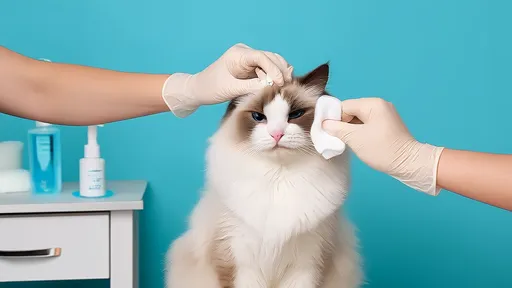
Beyond the coat, other grooming aspects cannot be overlooked. Their large, beautiful eyes should be wiped gently with a damp, soft cloth if any discharge appears. Their ears need to be checked weekly for dirt or redness and cleaned carefully with a vet-approved solution. Perhaps most critically, their dental health requires attention. Daily teeth brushing with enzymatic toothpaste designed for cats is the gold standard for preventing periodontal disease, a common ailment in felines. Additionally, their claws should be trimmed every couple of weeks to keep them from becoming overgrown or sharp.

The interconnection between a Ragdoll's social needs and its physical upkeep is profound. The time invested in grooming is not merely functional; it is an extension of the companionship they crave. A grooming session is a quiet time of touch and trust, reinforcing the bond between cat and owner. Conversely, a well-socialized and content Ragdoll is often more relaxed and cooperative during necessary grooming tasks. They trust their human to handle them, making the process smoother and more enjoyable for everyone involved.

Ultimately, welcoming a Ragdoll into your home is a commitment to embracing both a profoundly social soul and a breathtakingly beautiful physical form. They offer unwavering devotion, quiet conversation, and a constant, comforting presence. In return, they ask for our time and attention—not just in playful interaction but in the meticulous care of their magnificent coats. The reward for this commitment is a unique relationship with a creature whose dog-like loyalty is wrapped in the softest of feline packages, a true "puppy cat" in every sense of the word.
Recommend Posts
Pet

Abyssinian Cats: Explorer Temperament and Home Safety Measures

By /Aug 20, 2025

The Abyssinian cat, with its lithe form and ticked coat reminiscent of wild cougars, possesses an explorer's soul housed in a domestic companion. This is not a feline content to merely observe the world from a windowsill; it is a creature driven by an insatiable curiosity, a need to climb, investigate, and claim the high ground of its domain. This very spirit, which makes the breed so endlessly fascinating, presents a unique set of challenges for the household that becomes its territory. Ensuring the safety of such an adventurous animal requires a paradigm shift—moving from standard pet-proofing to crafting a secure environment for a skilled and intelligent escape artist and climber.
Pet

Sphynx Hairless Cats: Skin Oil Care and Winter Warmth

By /Aug 20, 2025

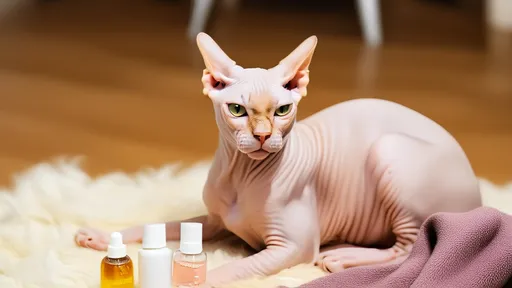
The Sphynx cat, with its striking hairless appearance, has captivated feline enthusiasts worldwide. Beyond its unique aesthetic, this breed demands specialized care, particularly in two critical areas: skin oil management and winter warmth. Unlike their furry counterparts, Sphynx cats lack the natural insulation and oil-absorbing properties of a fur coat, making them entirely dependent on their owners for maintaining healthy skin and body temperature. This responsibility transforms cat ownership into a hands-on, daily commitment, requiring a deep understanding of their distinct physiological needs.
Pet

The Wild Charm of Bengal Leopard Cats: High Activity Demands and Environmental Enrichment

By /Aug 20, 2025

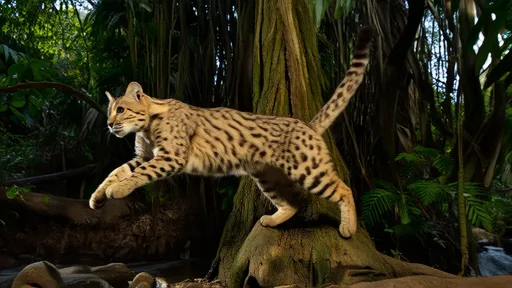
The Bengal cat, with its striking leopard-like coat and athletic physique, stands as a testament to its wild ancestry. A hybrid born from the crossing of a domestic feline and the small, wild Asian leopard cat, this breed carries within its DNA a profound and irrepressible call of the wild. This heritage is not merely cosmetic; it is the very core of its being, manifesting in a breathtaking blend of intelligence, agility, and an insatiable curiosity. To welcome a Bengal into one's home is to enter into a pact with a sliver of the untamed, a commitment to understand and cater to a spirit that is fundamentally more primal than that of the average house cat. It is a journey that demands more than passive companionship; it requires an active and dedicated partnership.
Pet

Flat-faced Persian Cat Care: Tear Stain Removal and Respiratory Issues

By /Aug 20, 2025

In the world of feline elegance, few breeds capture the imagination quite like the Persian cat. With their luxurious coats and distinctive flat faces, they are the epitome of feline aristocracy. However, this very feature that defines their beauty also presents unique health challenges that demand dedicated care from their human companions. The brachycephalic, or flat-faced, structure of Persians, while adorable, is not without its complications, particularly concerning tear staining and respiratory vulnerabilities. Understanding and addressing these issues is not merely a matter of aesthetics but a fundamental aspect of ensuring their long-term health and comfort.
Pet

Controversy and Ethical Considerations of Scottish Fold Cat's Bone Health

By /Aug 20, 2025

The Scottish Fold cat, with its distinctive folded ears and owl-like appearance, has captured the hearts of feline enthusiasts worldwide. This unique physical trait, however, is the result of a genetic mutation that has sparked intense debate among veterinarians, breeders, and animal welfare advocates. The very feature that defines the breed is inextricably linked to a debilitating and painful osteochondrodysplasia, a developmental abnormality that affects cartilage and bone throughout the body. The ethical implications of deliberately breeding animals for a trait that causes inherent suffering present a complex and morally fraught dilemma for the modern pet industry.
Pet

The Talkative" Nature of Siamese Cats: Interpreting Their Vocalizations and Responses

By /Aug 20, 2025

If you share your home with a Siamese cat, you are undoubtedly familiar with the symphony of sounds that emanate from your feline companion. Unlike many other breeds known for their quiet reserve, the Siamese is famously vocal, possessing a distinctive, loud, low-pitched voice that they are not shy about using. This isn't random noise; it's a complex and deliberate form of communication. To the uninitiated, it might sound like incessant chatter, but to a dedicated owner, it becomes a unique language, a window into the cat's thoughts, needs, and emotions. Understanding this language is the key to deepening the extraordinary bond this breed is known for.
Pet

The History of American Shorthair Cats and Their Suitability as Family Pets

By /Aug 20, 2025

The American Shorthair cat, with its sturdy build and amiable disposition, stands as a living testament to the intertwining of feline and human history on the North American continent. Its story does not begin in a controlled breeding program but on the high seas, aboard the ships of early European settlers. These seafaring felines, valued for their unparalleled skill as ratters, were essential crew members, protecting precious food stores from rodents during the long and perilous voyages across the Atlantic. Their arrival in the New World was not as pampered pets but as working partners, a rugged beginning that forged the foundation of the breed's renowned health and resilient character. Over the ensuing centuries, these cats adapted to a new land, their genetics mingling and evolving naturally, slowly shaping the distinct, powerful, and practical cat we recognize today.
Pet

The Puppy Cat" Personality of Ragdolls: Social Needs and Fur Grooming

By /Aug 20, 2025

Ragdoll cats, often affectionately dubbed as "puppy cats," have carved a unique niche in the feline world with their dog-like demeanor and plush, luxurious coats. This breed, known for its striking blue eyes and color-pointed fur, is not just a visual delight but a companion that blurs the lines between typical cat aloofness and canine loyalty. Their social needs and grooming requirements are two pivotal aspects that potential and current owners must understand to ensure these gentle giants thrive in a domestic setting.
Pet

British Shorthair: Guide to Inherited Disease and Weight Control

By /Aug 20, 2025

The British Shorthair, with its plush coat and amiable demeanor, has long been a fixture in homes, celebrated for its teddy bear appearance and gentle temperament. However, beneath that robust and cobby exterior lies a predisposition to certain hereditary health conditions that every prospective and current owner should be acutely aware of. This guide delves into the genetic vulnerabilities of the breed and provides a comprehensive framework for weight management, a critical component in mitigating many of these health risks and ensuring a long, vibrant life for your feline companion.
Pet

Breed Characteristics of Chinese Tabby Cats: Independence and Hunting Instinct

By /Aug 20, 2025

The Chinese Li Hua cat, a breed as ancient as the civilization it hails from, carries with it an aura of quiet dignity and primal instinct. Often referred to as Dragon Li in the West, this feline is not merely a pet; it is a living testament to a long history of natural selection and survival. To understand a Li Hua is to understand the very essence of the untamed spirit that resides, albeit politely, within a domestic setting. Its most defining characteristics, its profound independence and its deeply ingrained hunting prowess, are not just quirks of personality but the cornerstones of its existence, forged over centuries in the varied landscapes of China.
Pet

Daily Grooming and Eye Care for Maltese Dogs

By /Aug 20, 2025

Nestled in the laps of royalty for centuries, the Maltese dog carries with it an air of aristocratic elegance, largely owed to its magnificent, floor-length coat and expressive, dark eyes. Yet, this beauty demands a commitment that goes beyond casual admiration. The very features that make the Maltese so visually striking—its luxurious white hair and its large, soulful eyes—are also the sources of its most demanding care requirements. To live with a Maltese is to enter into a pact of preservation, a daily ritual of maintenance that, when done correctly, transforms routine grooming into an act of love, ensuring the dog's health, comfort, and breathtaking appearance.
Pet

The Importance of Early Socialization and Obedience Training for Rottweilers

By /Aug 20, 2025

In the world of canine companions, few breeds command as much respect and, at times, apprehension, as the Rottweiler. With their powerful build, deep bark, and unwavering loyalty, they are often misunderstood. The key to unlocking the gentle giant within this magnificent breed lies not in forceful dominance but in two critical, intertwined pillars of canine development: early socialization and dedicated obedience training. These are not mere suggestions for Rottweiler ownership; they are absolute, non-negotiable prerequisites for shaping a well-adjusted, confident, and safe member of both the family and society.
Pet

The Root Causes of Husky's Home-Wrecking" Behavior and Energy Redirection Strategies

By /Aug 20, 2025

In the world of canine companionship, few breeds capture the imagination quite like the Siberian Husky. With their striking appearance, boundless energy, and often mischievous demeanor, these dogs have earned a reputation that precedes them. Perhaps no aspect of this reputation is more infamous than what owners affectionately—or frustratingly—refer to as "destructive behavior" or, more colloquially, "home wrecking." To the uninitiated, coming home to a couch shredded into confetti or a door frame chewed beyond recognition seems like the work of a rebellious or poorly trained animal. However, those who understand the breed know that this behavior is not an act of malice but a profound misdirection of a deep-rooted and powerful genetic inheritance.
Pet

Winter Warmth for Chihuahuas and Cultivating Their Social Personality

By /Aug 20, 2025

As the crisp autumn leaves give way to winter's first frost, the unique challenges and joys of caring for a Chihuahua come into sharp focus. These petite companions, with their prominent personalities packed into tiny frames, require thoughtful consideration during the colder months, not just for their physical warmth but for the nurturing of their complex social character. The intersection of their physiological vulnerability and their spirited temperament creates a fascinating dynamic for any devoted owner. Understanding that their need for warmth extends beyond the physical to the emotional realm is the first step toward holistic winter care, transforming the season from a time of potential hardship into an opportunity for deepened bonding and character development.
Pet

The Causes and Complete Solutions for Bichon Frise Tear Stains

By /Aug 20, 2025

For many Bichon Frise owners, the charming appearance of their fluffy companion is often marred by unsightly reddish-brown streaks beneath the eyes, commonly known as tear stains. These stains not only affect the aesthetic appeal of the dog but can also indicate underlying health or care issues that require attention. While tear stains are a frequent concern among light-colored breeds, they are particularly noticeable and persistent in Bichons due to their white fur. Addressing this issue comprehensively involves understanding the multifaceted causes and implementing a holistic approach that goes beyond superficial remedies.
Pet

German Shepherd's Work Potential: Dual Role as Family Pet and Working Dog

By /Aug 20, 2025

The German Shepherd Dog stands as a paradigm of canine versatility, a breed whose very essence is woven from the threads of utility, intelligence, and profound loyalty. Its journey from the pastoral landscapes of late 19th-century Germany to the heart of modern homes and the front lines of service is a testament to a carefully sculpted genetic blueprint. This blueprint bestows upon the breed a unique duality—the capacity to be a gentle, devoted family companion and a formidable, focused working partner. To understand this duality is to delve into the core of what makes the German Shepherd not just a dog, but a phenomenon.
Pet

Behind the Smile" of Samoyed: Hair Care and Energy Release

By /Aug 20, 2025

The iconic "smile" of the Samoyed is one of the most heartwarming sights in the canine world. That upturned curve of the mouth, often accompanied by sparkling dark eyes and a perpetually cheerful demeanor, has earned them the nickname "the smiling sled dog." To the casual observer, it is a simple expression of happiness, a non-verbal greeting from a breed known for its gentle and friendly nature. However, for those who share their lives with these magnificent Arctic dogs, the smile represents something far more complex. It is a barometer of well-being, a visual indicator deeply intertwined with two critical pillars of Samoyed care: meticulous coat maintenance and the adequate expenditure of their considerable energy. The famous smile doesn't just happen; it is earned through dedicated and informed stewardship.
Pet

Poodle (Teddy) Grooming Guide: Choosing Styles and Home Trimming

By /Aug 20, 2025

For many pet owners, the Poodle, particularly in its beloved Teddy Bear trim, is not just a dog but a living work of art. Their hypoallergenic, curly coats are a canvas for creativity, but they also demand consistent and knowledgeable care. Navigating the world of Poodle grooming can seem daunting, with a vast array of show-stopping clips from the classic Continental to the charming Modern Kennel trim. However, with the right guidance, maintaining your dog's health and style at home becomes an achievable and deeply rewarding part of pet ownership.
Pet

Intellectual Challenges for Border Collies: Consequences of Lack of Mental Stimulation

By /Aug 20, 2025

Border Collies are widely regarded as one of the most intelligent dog breeds, a fact that comes with both admiration and significant responsibility for their owners. Their sharp minds, bred over generations for complex herding tasks, require constant engagement. When these brilliant canines are deprived of adequate mental stimulation, the consequences can be profound, affecting their behavior, emotional well-being, and overall quality of life. This isn't merely about a bored dog; it's about a highly specialized mind being forced into idleness, often with destructive results.
Pet

Nutritional Management of Golden Retrievers: Preventing Obesity and Joint Diseases

By /Aug 20, 2025

Golden Retrievers are among the most beloved dog breeds worldwide, cherished for their friendly temperament, intelligence, and loyalty. However, their popularity comes with a responsibility to address specific health challenges, particularly obesity and joint diseases, which are prevalent in the breed. Proper nutritional management is not just a supplementary aspect of care but a foundational element that can significantly impact their quality of life and longevity. This article delves into the intricacies of feeding and managing the diet of Golden Retrievers to prevent these common issues, offering insights that go beyond generic advice to provide actionable strategies for owners.