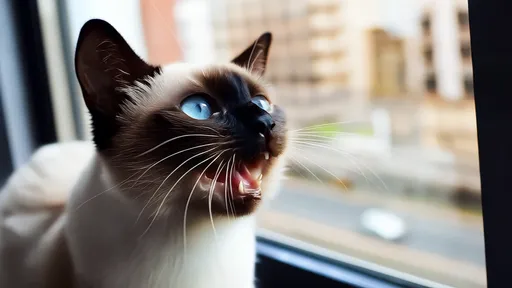
If you share your home with a Siamese cat, you are undoubtedly familiar with the symphony of sounds that emanate from your feline companion. Unlike many other breeds known for their quiet reserve, the Siamese is famously vocal, possessing a distinctive, loud, low-pitched voice that they are not shy about using. This isn't random noise; it's a complex and deliberate form of communication. To the uninitiated, it might sound like incessant chatter, but to a dedicated owner, it becomes a unique language, a window into the cat's thoughts, needs, and emotions. Understanding this language is the key to deepening the extraordinary bond this breed is known for.
The propensity for vocalization is deeply embedded in the Siamese breed's history and genetics. Originating from Thailand, formerly Siam, these cats were revered treasures in royal palaces and Buddhist temples. In such environments, constant interaction with humans was not just common; it was encouraged. They were not mere mousers living in barns; they were companions, confidants, and living art. This centuries-long history of close-quarters cohabitation with people selectively bred them for sociability and expressiveness. Their voices became their primary tool for engaging with their two-legged companions. A silent Siamese is often a cause for concern, as their vocal nature is a sign of their engagement with the world around them.
The classic Siamese meow is far from the generic feline sound. It is often described as raspy, loud, and surprisingly deep for a cat, sometimes resembling the cry of a human baby. This is their general-purpose call. However, their repertoire is vast and nuanced. They produce a wide array of sounds, from short, soft chirps and trills to long, drawn-out, mournful-sounding wails. Each variation in pitch, tone, duration, and volume carries a different meaning. A high-pitched, short meow is a standard greeting, a "hello!" when you enter a room. The same sound, repeated insistently, transforms into a demand, perhaps for food or for a door to be opened. That long, low-pitched, guttural wail often signals distress, boredom, or a complaint—they might be expressing their profound dissatisfaction that you dared to leave them alone for three whole hours.
Beyond the meow, Siamese cats are masters of other vocalizations. A soft, rolling trill or chirp is a sound of pure happiness and affection, often used when they are contentedly following you from room to room, just to be near you. You might hear this when they jump onto the bed and curl up beside you. Conversely, a hiss or a low growl is universal cat language for fear, anger, or aggression, a clear warning to back off. Paying close attention to the context is crucial. The same sound can mean different things at different times. A long cry while staring out the window could be directed at a trespassing squirrel, while that same cry aimed directly at you while you're preparing dinner is almost certainly a critique of your slow service.
Engaging with your Siamese is not just recommended; it is required. These are intelligent, social creatures who crave interaction. Ignoring their attempts to communicate can lead to frustration, anxiety, and even depression, which may manifest as destructive behavior or louder, more persistent vocalization. The first and most important step in responding is to simply acknowledge them. A simple "I hear you" or a soft pet can sometimes be enough to satisfy their need for connection. It tells them that their message has been received. If the vocalization is a clear request, like a cry by an empty food bowl, fulfilling the need (within reason) reinforces that communication works. This positive feedback loop encourages them to continue communicating their needs clearly.
However, not all conversations are about immediate needs. Much of their chatter is simply to socialize. Treat these moments as genuine conversations. Talk back to them! Use a calm, friendly tone. Ask them how their day was, comment on the weather, tell them about your own. While they won't understand the words, they will profoundly understand the tone of engagement and affection. This back-and-forth dialogue is immensely stimulating and satisfying for them. It strengthens your bond and provides the mental enrichment their active minds desperately need. It turns a monologue of meows into a true interspecies dialogue.
It is vital to learn the difference between communicative vocalization and vocalization that signals a problem. A sudden, significant increase in vocalization, especially if it's a new type of cry that sounds pained, anxious, or distressed, can be a red flag. Cats are experts at hiding illness and pain, and often a change in vocal habit is the first and only sign that something is wrong. If your typically chatty cat becomes unusually quiet and withdrawn, or if their friendly meows turn into constant, agonized-sounding yowls, particularly at night, a prompt visit to the veterinarian is essential. These could be signs of issues ranging from hyperthyroidism and hypertension to arthritis, dental pain, or cognitive decline in older cats.
Living with a Siamese cat is an auditory adventure. Their talkative nature is not a flaw to be tolerated but the very essence of their charming character. It is a continuous invitation to interact, to connect on a level few other cat breeds offer. By listening intently, learning the subtle nuances of their language, and responding with engagement and care, you do more than just quiet a noisy cat. You unlock a deeper dimension of your relationship. You move from being just an owner to becoming a trusted companion and conversational partner in the unique and wonderful world of your Siamese cat.

By /Aug 20, 2025
By /Aug 20, 2025
By /Aug 20, 2025

By /Aug 20, 2025
By /Aug 20, 2025
By /Aug 20, 2025
By /Aug 20, 2025
By /Aug 20, 2025
By /Aug 20, 2025
By /Aug 20, 2025

By /Aug 20, 2025

By /Aug 20, 2025

By /Aug 20, 2025

By /Aug 20, 2025

By /Aug 20, 2025
By /Aug 20, 2025

By /Aug 20, 2025

By /Aug 20, 2025

By /Aug 20, 2025

By /Aug 20, 2025
