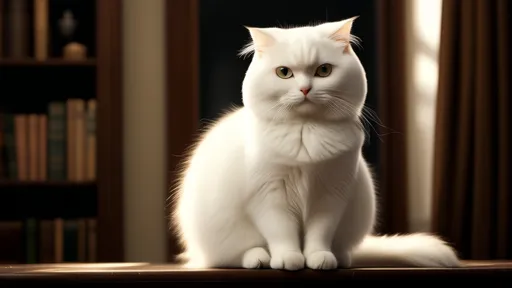
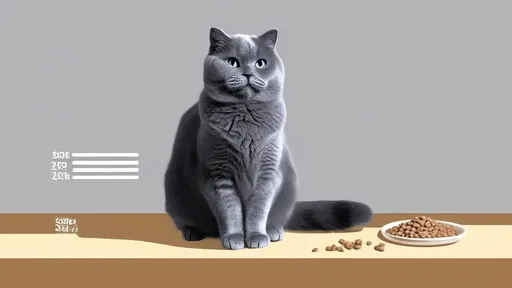
The Scottish Fold cat, with its distinctive folded ears and owl-like appearance, has captured the hearts of feline enthusiasts worldwide. This unique physical trait, however, is the result of a genetic mutation that has sparked intense debate among veterinarians, breeders, and animal welfare advocates. The very feature that defines the breed is inextricably linked to a debilitating and painful osteochondrodysplasia, a developmental abnormality that affects cartilage and bone throughout the body. The ethical implications of deliberately breeding animals for a trait that causes inherent suffering present a complex and morally fraught dilemma for the modern pet industry.
The story of the breed begins in 1961 on a Perthshire farm in Scotland, with a white barn cat named Susie. Susie possessed unusual folded ears, a novelty that caught the attention of a neighboring farmer and cat fancier, William Ross. Recognizing the potential for a new breed, Ross acquired one of Susie's kittens, a female named Snooks, and began a selective breeding program using British Shorthairs. The folded ear was found to be an incomplete autosomal dominant trait, meaning a cat needs only one copy of the mutant gene to express the phenotype, but the expressivity can vary. This genetic discovery was the first step toward understanding the profound health consequences that would follow.
The aesthetic appeal of the folded ears is undeniable, lending the cat a perpetually kitten-like and curious expression. This has driven immense popularity and demand, making Scottish Folds a common sight in popular culture and on social media. However, this very feature is a visible marker of a much larger, invisible problem. The gene responsible for the soft, folded cartilage in the ear—a mutation in the TRPV4 gene—also disrupts the development of cartilage elsewhere in the body. This means every single Scottish Fold cat, by virtue of its breed-defining genetics, is affected by osteochondrodysplasia to some degree. There is no such thing as a completely healthy Scottish Fold; the only variable is the severity of the condition.
The osteochondrodysplasia manifests as a lifelong, progressive, and painful arthritis. It primarily affects the joints of the limbs and the tail, which often becomes thick, inflexible, and shortened. From a young age, affected cats may exhibit signs of discomfort including lameness, a stiff and stilted gait, an unwillingness to jump or play, and audible pain responses when moving. They may sit in a characteristic "Buddha position" with their hind legs splayed out to relieve pressure on their painful joints. Radiographs reveal severe abnormalities: misshapen bone growth, excessive new bone formation around joints (exostoses), and the fusion of vertebrae, particularly in the tail. This is not an occasional ailment; it is a fundamental and unavoidable aspect of their physiology.
The veterinary community has been sounding the alarm for decades. Major veterinary associations and animal welfare organizations, including the International Cat Care and the British Veterinary Association, have issued statements opposing the breeding of Scottish Folds due to these inherent health problems. They argue that breeding for a deformity that causes guaranteed suffering is a clear violation of animal welfare principles. Veterinarians are often placed in the difficult position of managing a patient's chronic pain, knowing the condition was deliberately introduced and perpetuated by humans. Treatment is palliative, not curative, involving lifelong pain management with anti-inflammatory drugs, joint supplements, and lifestyle modifications, which places a significant emotional and financial burden on the owner.
From an ethical standpoint, the breeding of Scottish Folds forces a confrontation with the limits of selective breeding. The core question is whether human desire for a particular aesthetic should outweigh the obligation to prevent animal suffering. Breeders of Scottish Folds often defend their practices by arguing that responsible breeding between a Fold and a straight-eared cat (like a British or American Shorthair) can produce healthier offspring. While it is true that kittens inheriting one copy of the gene (heterozygotes) generally have a less severe form of the disease than those with two copies (homozygotes, which are rarely bred due to their extreme deformities), the science is unequivocal: all Folds are affected. The "responsible breeding" argument is seen by critics as a justification for continuing an inherently irresponsible practice, merely mitigating the worst outcomes rather than eliminating the cause.
The regulatory landscape surrounding the breed is a patchwork of acceptance and prohibition. The Cat Fanciers' Association (CFA) and The International Cat Association (TICA) recognize the Scottish Fold, which lends an air of legitimacy and encourages its proliferation. In stark contrast, several countries and major feline welfare bodies have taken a stand against it. The Governing Council of the Cat Fancy (GCCF) in the UK, the breed's country of origin, refuses registration on welfare grounds. Similarly, breeding Scottish Folds is banned in Austria, Belgium, and the Netherlands under animal protection laws that forbid the breeding of animals with genetic traits that cause harm. This disparity highlights a global conflict between breed standards and welfare standards.
Prospective owners, often unaware of the breed's dark underpinnings, are seduced by the cat's adorable appearance. They may purchase a kitten from a breeder who downplays or outright denies the health issues, only to be faced with devastating vet bills and the heartbreak of caring for a pet in constant pain. This lack of informed consent is a significant ethical breach. Educating the public is therefore a critical tool in reducing demand. Potential pet owners must be made to understand that the folded ear is not a harmless quirk but a billboard for a systemic skeletal disorder. Choosing to acquire a Scottish Fold, whether from a breeder or a rescue, is a commitment to managing a serious medical condition for the entirety of the cat's life.
For those committed to the welfare of cats, the path forward is clear, albeit difficult. The most ethical action is to stop breeding Scottish Folds entirely. Existing cats should be loved and cared for, their pain managed compassionately, but they should not be replaced. The breeding focus should shift entirely toward robust, healthy breeds and random-bred cats whose genetics have not been compromised for human whim. The story of the Scottish Fold serves as a sobering cautionary tale about the consequences of prioritizing form over function and appearance over well-being. It challenges us to redefine what we find beautiful in an animal, moving away from arbitrary physical standards and toward a deep appreciation for health, vitality, and a life free from preventable pain.
Ultimately, the continued existence of the Scottish Fold breed rests in the hands of consumers. As long as there is demand, there will be supply. By choosing not to purchase these cats, the public can withdraw the economic incentive that fuels their production. The legacy of Susie the barn cat should not be one of pervasive suffering but a lesson learned. It should remind us that our fascination with the unusual must always be tempered by a profound responsibility for the creatures that bring so much joy into our lives. Their well-being must forever come before our want for novelty.
By /Aug 20, 2025
By /Aug 20, 2025
By /Aug 20, 2025
By /Aug 20, 2025
By /Aug 20, 2025
By /Aug 20, 2025
By /Aug 20, 2025
By /Aug 20, 2025
By /Aug 20, 2025
By /Aug 20, 2025
By /Aug 20, 2025
By /Aug 20, 2025
By /Aug 20, 2025
By /Aug 20, 2025
By /Aug 20, 2025
By /Aug 20, 2025

By /Aug 20, 2025
By /Aug 20, 2025
By /Aug 20, 2025
By /Aug 20, 2025
