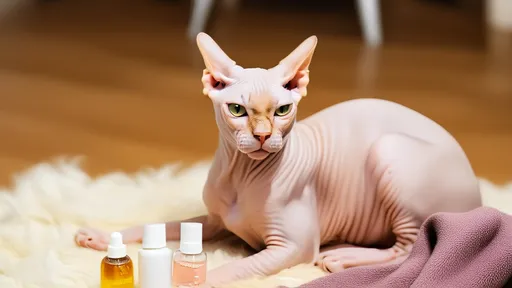
The Sphynx cat, with its striking hairless appearance, has captivated feline enthusiasts worldwide. Beyond its unique aesthetic, this breed demands specialized care, particularly in two critical areas: skin oil management and winter warmth. Unlike their furry counterparts, Sphynx cats lack the natural insulation and oil-absorbing properties of a fur coat, making them entirely dependent on their owners for maintaining healthy skin and body temperature. This responsibility transforms cat ownership into a hands-on, daily commitment, requiring a deep understanding of their distinct physiological needs.
The skin of a Sphynx cat is not merely bare; it is a highly active organ. It secretes oils, technically known as sebum, at a rate similar to that of other cats. However, without a fur coat to absorb this sebum, it accumulates directly on the skin's surface. This creates a sticky, waxy brown residue that can soil furniture, bedding, and clothing. More importantly, if left unattended, this buildup can clog pores, leading to comedones (blackheads) and potentially serious skin infections. The oily film also collects dirt and dust, making regular cleaning not just a matter of hygiene but a vital component of the cat's health regimen.
Establishing a consistent bathing routine is the cornerstone of effective skin care for a Sphynx. Contrary to popular belief about cats and water, many Sphynx cats, having been acclimated from kittenhood, tolerate or even enjoy their baths. A bath every one to two weeks is generally recommended, though the frequency can vary depending on the individual cat's oil production. Using a gentle, hypoallergenic shampoo formulated for sensitive skin or specifically for hairless breeds is crucial. Harsh soaps or human shampoons can strip the skin of its essential oils too aggressively, triggering a rebound effect where the skin produces even more oil to compensate, exacerbating the problem.
The bathing process itself requires care. The water should be comfortably warm, and the cat should be gently introduced to the tub or sink. A non-slip mat is essential for their security. After a thorough lather and rinse, the cat must be dried completely and immediately. Their lack of fur means they lose body heat rapidly when wet. Drying is best accomplished with a soft, absorbent towel, and many owners follow up by swaddling their cat in a warm blanket. Some even use a hairdryer on a low, cool setting, held at a safe distance, to ensure no moisture is trapped in their skin folds.
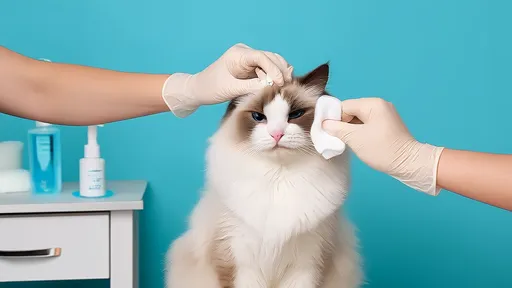
Between baths, maintenance is key. Owners often use unscented, alcohol-free pet wipes or a damp, soft cloth to wipe down their Sphynx daily or every other day. This removes surface grime and excess oil without the need for a full bath. Paying special attention to wrinkles and folds, such as those on the face, neck, and legs, is important, as these areas are prone to trapping oil and debris. For stubborn blackheads, a warm compress can help soften the material before gentle, manual extraction. However, any sign of redness, inflammation, or infection should prompt an immediate consultation with a veterinarian.
While skin care addresses external health, thermoregulation is a matter of survival for the Sphynx. Their high metabolic rate is their body's primary engine for generating heat, burning calories at an accelerated pace to maintain a core body temperature that is typically a few degrees higher than that of furry cats. This internal furnace requires significant fuel, meaning a Sphynx cat's dietary needs are higher in calories and fat to sustain this energy output. Providing a high-quality, nutrient-dense diet is non-negotiable for their well-being.
Despite their efficient metabolism, a Sphynx cat cannot combat external cold alone. They are masters of seeking out warmth, often found basking in sunbeams, curled up next to a radiator, or burrowed under blankets. It is the owner's duty to facilitate this. During the winter months, or in any cool environment, providing a warm habitat is essential. This includes plenty of soft, warm bedding in draft-free areas. Heated cat beds, set to a safe, low temperature, are immensely popular and appreciated by these cats. microwavable heating pads or simple fleece blankets can also create cozy retreats.
Clothing is not a fashion statement for a Sphynx; it is functional attire. A well-fitted sweater or jersey provides a crucial layer of insulation, helping to trap their body heat close to their skin. This is particularly important for outdoor excursions on a chilly day or for homes that are kept at a cooler temperature. The key is to ensure the clothing is made from breathable, soft materials like cotton or fleece, and that it fits properly—not so tight as to restrict movement or chafe, but not so loose as to get caught on things. All clothing should be removed regularly to allow the skin to breathe and to check for any irritation.
Owners must be vigilant for signs that their cat is too cold. Subtle indicators include the cat seeking constant contact with heat sources or people, curling into a very tight ball to conserve warmth, and general lethargy. More serious signs are shivering and coolness to the touch, especially on the ears and paws. If a cat appears cold, warming them gradually with blankets, body contact, and moving them to a warmer room is necessary. Sudden exposure to extreme cold can lead to hypothermia, a dangerous drop in body temperature that requires urgent veterinary attention.
The interplay between skin oil and body temperature is a delicate balance. A cold Sphynx cat may instinctively curl up, reducing the skin's surface area exposed to air and thus potentially slowing the evaporation of oils, leading to faster buildup. Conversely, a cat that is too warm might become more active and spread oils around as they move. Understanding this connection helps owners anticipate their pet's needs, adjusting bath schedules and layering clothing as the seasons and home environments change.
Caring for a Sphynx cat is a deeply rewarding experience that forges an incredibly strong human-animal bond. The necessity of regular handling for bathing and dressing creates a level of interaction and trust that is unique to this breed. They are famously dog-like in their affection, seeking out human companionship and laps for both emotional connection and physical warmth. By meticulously managing their skin's health and ensuring their perpetual warmth, an owner does not just care for a pet; they become the guardian of a remarkable and vulnerable creature, ensuring its comfort, health, and happiness throughout its life.

By /Aug 20, 2025
By /Aug 20, 2025

By /Aug 20, 2025
By /Aug 20, 2025
By /Aug 20, 2025
By /Aug 20, 2025
By /Aug 20, 2025
By /Aug 20, 2025
By /Aug 20, 2025
By /Aug 20, 2025

By /Aug 20, 2025

By /Aug 20, 2025

By /Aug 20, 2025

By /Aug 20, 2025

By /Aug 20, 2025
By /Aug 20, 2025

By /Aug 20, 2025
By /Aug 20, 2025

By /Aug 20, 2025
By /Aug 20, 2025
