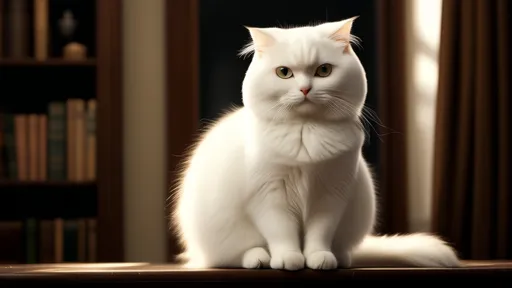
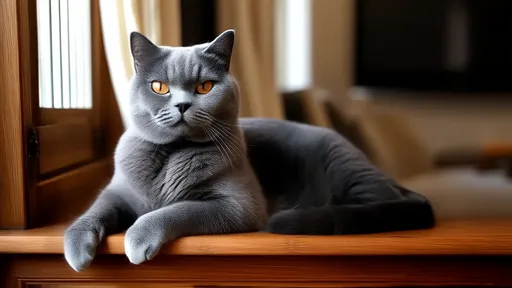
The British Shorthair, with its plush coat and amiable demeanor, has long been a fixture in homes, celebrated for its teddy bear appearance and gentle temperament. However, beneath that robust and cobby exterior lies a predisposition to certain hereditary health conditions that every prospective and current owner should be acutely aware of. This guide delves into the genetic vulnerabilities of the breed and provides a comprehensive framework for weight management, a critical component in mitigating many of these health risks and ensuring a long, vibrant life for your feline companion.
One of the most significant hereditary concerns in British Shorthairs is Hypertrophic Cardiomyopathy (HCM). This is a disease characterized by the thickening of the heart muscle, which can impair the heart's ability to pump blood effectively. The condition is often insidious, showing no outward signs until it is quite advanced. Symptoms, when they do appear, can include lethargy, rapid or labored breathing, and in severe cases, sudden hind limb paralysis due to a blood clot. Responsible breeding is paramount, as HCM has a strong genetic component. Potential owners should inquire about HCM screening of the parents; many reputable breeders will perform echocardiograms on their breeding stock to reduce the incidence of this devastating disease. While there is no cure, early detection through regular veterinary check-ups, including cardiac ultrasounds for at-risk cats, can allow for management with medication to slow the progression and improve quality of life.
Another common genetic issue is Polycystic Kidney Disease (PKD). Although more famously associated with Persian cats, British Shorthairs can also be affected. PKD is an inherited disorder where multiple cysts develop in the kidneys. These fluid-filled sacs gradually enlarge over time, destroying normal kidney tissue and ultimately leading to renal failure. The progression is slow, and signs of kidney disease—such as increased thirst, frequent urination, weight loss, and vomiting—may not manifest until the cat is middle-aged or older. An ultrasound scan can detect the presence of cysts very early in life, even in kittens. While the disease itself is irreversible, its course can be managed through prescription renal diets, blood pressure medication, and supportive care to maintain kidney function for as long as possible. Again, screening breeding cats is the most effective way to eliminate this disease from bloodlines.
British Shorthairs are also particularly prone to hemophilia B, a clotting disorder also known as Christmas Disease. This is a sex-linked recessive trait, meaning it is carried on the X chromosome and primarily affects males. Cats with this condition lack a specific clotting factor (Factor IX), which means they have a reduced ability to form blood clots. This can lead to prolonged bleeding after an injury or surgery, spontaneous bleeding into joints or body cavities, and excessive bruising. A simple DNA test can identify carriers and affected cats, allowing breeders to make informed decisions to avoid producing affected offspring. For a cat diagnosed with hemophilia, management involves extreme care to prevent injuries, and any surgical procedures require advance planning with a veterinarian, including having access to fresh frozen plasma or specific factor replacements for transfusions.
Beyond these specific conditions, the very structure of the British Shorthair makes it susceptible to certain ailments. Their broad, round head and shortened muzzle can predispose them to brachycephalic airway syndrome. This can lead to noisy breathing, snoring, and a reduced tolerance for exercise or heat. In severe cases, surgical correction of narrowed nostrils or an elongated soft palate may be necessary to improve their airflow and quality of life.
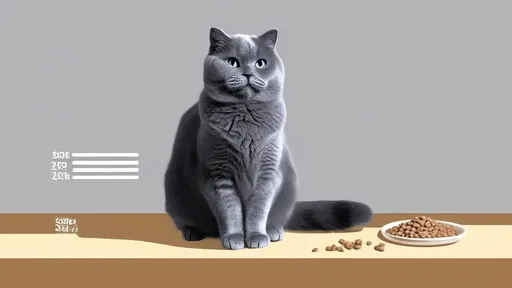
Perhaps the most pervasive health challenge facing the British Shorthair, and one that is intricately linked to the management of their genetic predispositions, is the maintenance of a healthy weight. This breed has a notorious propensity for obesity. Their naturally stocky, muscular build can easily tip into excess fat, and their calm, sometimes sedentary nature means they burn fewer calories than more active breeds. Obesity is not merely an aesthetic issue; it is a serious medical condition that acts as a catalyst for a multitude of health problems. The strain of extra weight exacerbates joint issues like arthritis and puts immense additional stress on a heart that may already be vulnerable to HCM. It dramatically increases the risk of diabetes mellitus and can contribute to liver problems like hepatic lipidosis. Furthermore, carrying excess weight can make breathing difficulties associated with their brachycephalic anatomy significantly worse.
The cornerstone of weight control is a carefully measured and appropriate diet. Free-feeding, or leaving a bowl of dry kibble out all day, is a recipe for weight gain in this breed. Instead, portion-controlled meals are essential. The exact amount of food will depend on the cat's age, ideal weight, and activity level, and should be determined in consultation with a veterinarian. High-quality cat food with a high protein content and low carbohydrates is generally recommended to support lean muscle mass and provide sustained energy. It is crucial to account for all calories, including those from treats, which should be given sparingly and ideally used as rewards for activity or training. Many owners find that ditching dry food entirely in favor of a wet food diet can aid in weight management, as wet food is typically lower in carbohydrates and higher in moisture, which promotes a feeling of fullness.
While the British Shorthair may not be a natural athlete, incorporating regular activity into their daily routine is non-negotiable for weight management and overall well-being. This does not mean they need marathon play sessions. Short, engaging bursts of play several times a day are far more effective. Find toys that stimulate their natural hunting instincts—a feather wand, a laser pointer (used responsibly and always followed by a tangible reward to avoid frustration), or a motorized mouse can get them moving. Puzzle feeders are an excellent tool, as they force the cat to work for their food, providing both mental stimulation and physical activity. Creating vertical spaces with cat trees and shelves can also encourage climbing and exploration. The goal is to integrate movement seamlessly into their day, preventing the lethargy that so easily sets in.
Vigilant monitoring is the final piece of the puzzle. Regular weighing at home or at the vet is the most objective way to track weight trends. Owners should also learn to perform a "body condition score." You should be able to easily feel your cat's ribs with a slight fat covering, not buried under a thick layer. There should be a visible waist when viewed from above, and the abdomen should tuck up behind the ribs when viewed from the side. Any deviation from this suggests a move toward overweight or underweight. Any planned dietary changes should be discussed with your vet to ensure they are nutritionally sound and implemented gradually to avoid digestive upset.
In conclusion, the charming and placid British Shorthair brings immense joy, but this comes with a responsibility to understand and proactively manage its health. Their genetic blueprint includes potential vulnerabilities of the heart, kidneys, and blood. However, the single most influential factor under an owner's control is maintaining an ideal body weight through disciplined nutrition and encouraged activity. A robust partnership with a veterinarian, committed to regular screenings and preventative care, is indispensable. By embracing this informed and proactive approach, you can directly counteract many of the breed's inherent risks, paving the way for your cherished round-faced friend to enjoy a full, healthy, and contented life by your side for many years to come.
By /Aug 20, 2025
By /Aug 20, 2025

By /Aug 20, 2025
By /Aug 20, 2025
By /Aug 20, 2025
By /Aug 20, 2025
By /Aug 20, 2025
By /Aug 20, 2025
By /Aug 20, 2025
By /Aug 20, 2025

By /Aug 20, 2025

By /Aug 20, 2025

By /Aug 20, 2025

By /Aug 20, 2025

By /Aug 20, 2025

By /Aug 20, 2025

By /Aug 20, 2025

By /Aug 20, 2025

By /Aug 20, 2025
By /Aug 20, 2025
